What is Video Analytics? An Introduction
The Definition of Video Analytics
Video analytics refers to the advanced technology that automatically processes video footage to extract meaningful data and insights. This process utilizes algorithms and machine learning to detect and analyze specific behaviors, objects, and patterns within video streams. By transforming raw video data into actionable information, organizations can enhance their decision-making capabilities. Understanding What is video analytics is essential for businesses looking to leverage visual data for improved operational efficiency.
Key Features of Video Analytics
The impressive capabilities of video analytics are underscored by several core features, which include:
- Object Detection: Identifies and classifies various objects within a video frame, such as people, vehicles, and other items.
- Facial Recognition: Uses algorithmic insights to identify individuals based on facial characteristics.
- Behavior Analysis: Monitors movement and activities, recognizing patterns that may indicate suspicious or unexpected behavior.
- Real-time Alerts: Sends notifications for predefined triggers, like unauthorized access or unusual gathering in restricted areas.
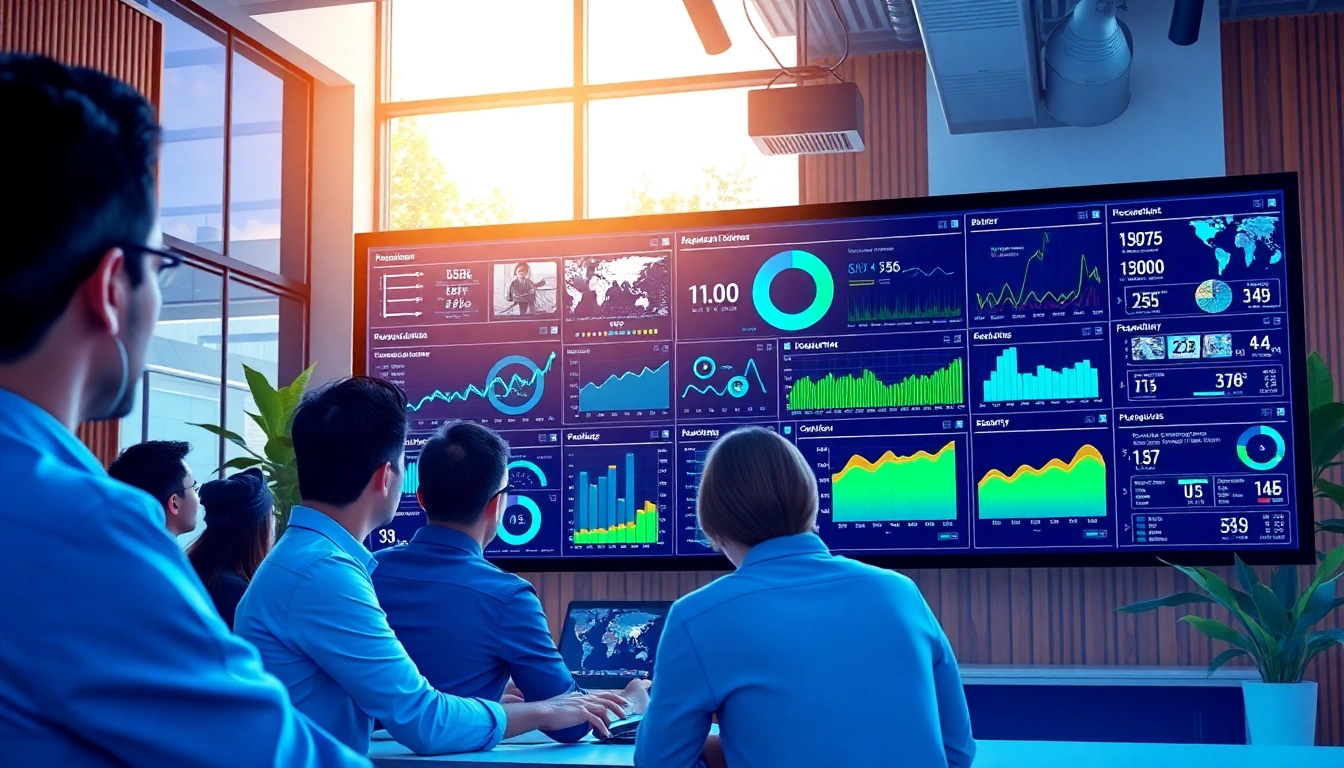
- Data Visualization: Provides visual representations of data trends and patterns, making it easier to interpret complex information.
The Importance of Video Analytics
Video analytics holds undeniable significance across various sectors. It enhances security measures, streamlines operations, and provides valuable insights into customer behavior. Organizations can save time and resources through automated video monitoring systems, which reduce the need for human oversight. Moreover, businesses can use analytics to improve customer experiences, optimize operational processes, and ensure compliance with safety regulations.
How Video Analytics Works
Fundamental Technologies Behind Video Analytics
The backbone of video analytics consists of several cutting-edge technologies:
- Machine Learning: Algorithms learn from data, improving detection accuracy over time.
- Computer Vision: Processes images and videos to recognize patterns and extract meaningful information.
- Neural Networks: Mimics human brain functions, particularly useful in pattern recognition for classification tasks.
- Cloud Computing: Facilitates large-scale data processing and storage, enabling scalable analytics.
Data Processing and Interpretation
Video analytics processes data in real time or post-event. During the initial stage, footage is monitored, features are extracted, and key frames are identified for further analysis. Through algorithms, the initial data is transformed into interpretable metrics that companies can use for strategic planning. This processing occurs seamlessly, providing insights almost instantaneously.
Real-time Analysis vs. Post-analysis
Real-time analysis allows for immediate response to incidents, offering a crucial edge for security and operational efficiency. For example, a security breach can trigger alerts as it occurs. On the contrary, post-analysis involves reviewing recorded footage to uncover patterns or insights that inform future strategies. While each method has unique advantages, they also complement each other to provide a holistic approach to video data utilization.
Common Applications of Video Analytics
Video Surveillance and Security
Video analytics plays a pivotal role in enhancing security measures. By deploying intelligent surveillance systems, organizations can monitor activities more efficiently, reducing the likelihood of crime. Features like intrusion detection and people counting provide critical insights for security personnel in real time, ensuring a timely response to potential threats.
Retail Analytics and Customer Behavior
In retail environments, video analytics helps businesses understand customer behavior, preferences, and traffic patterns. It assists in optimizing store layouts by identifying high-traffic areas and ensuring that products are placed effectively to boost sales. Retailers can also analyze the demographic data of shoppers, allowing for targeted marketing strategies.
Traffic Management and Smart Cities
Video analytics supports traffic management systems by monitoring vehicle flow, identifying congestion, and analyzing accident patterns. Such data enables city planners to make informed decisions on improving infrastructure. In smart cities, video analytics contributes to overall urban management, increasing safety and efficiency in pedestrian and vehicular environments.
Challenges in Implementing Video Analytics
Data Privacy and Compliance Issues
The deployment of video analytics raises significant data privacy concerns. Organizations must navigate stringent regulations concerning the collection and processing of personal data—ensuring that their practices comply with laws to avoid penalties. Establishing transparent data handling and user consent protocols is critical in addressing these concerns.
Technical Challenges in Integration
Integrating video analytics with existing infrastructures can be complex. Organizations may face software compatibility issues, inadequate hardware capacity, or insufficient data quality. A thorough assessment of current systems and careful planning are essential for a successful integration process.
Understanding User Adoption Barriers
Despite the advantages offered by video analytics, organizations may encounter resistance from employees or stakeholders. Concerns about job displacement due to automation or mistrust in technology can impede adoption. Comprehensive training and demonstrating the tangible benefits of video analytics are crucial for surmounting these barriers.
The Future of Video Analytics
Emerging Trends in Video Analytics
The future of video analytics is marked by exciting developments, including the integration of augmented reality, enhanced machine learning models, and greater emphasis on data-driven decision-making. As technology evolves, organizations can expect increased accuracy and efficiency in capturing and analyzing video data.
How AI Enhances Video Analytics
Artificial intelligence significantly enhances the capabilities of video analytics, enabling systems to interpret complex data with greater accuracy. AI algorithms support advanced features such as predictive analytics, helping organizations to foresee potential issues before they arise. This predictive capability is especially valuable in security and operational contexts, enabling proactive measures.
Future Use Cases and Innovations
The potential applications of video analytics span across industries. Future use cases include automated visitor management systems in hospitality and improved patient monitoring in healthcare. Continuous innovation will expand the landscape of video analytics applications, allowing businesses to derive deeper insights from visual data.
Frequently Asked Questions
What industries benefit from video analytics?
Video analytics is beneficial in various industries, including retail, security, transportation, and healthcare. Each sector utilizes the technology to enhance operations, security measures, and customer insights.
How does video analytics improve security?
Video analytics improves security by enabling real-time monitoring, detecting suspicious activity, and delivering alerts. It automates surveillance tasks, freeing up human resources for critical decision-making.
Is video analytics cost-effective?
Yes, while initial setup costs can be high, video analytics often leads to long-term savings by reducing labor costs, improving efficiency, and minimizing losses from theft or fraud.
Can video analytics work in real-time?
Absolutely! Video analytics is designed to process footage in real-time, allowing for immediate alerts and actions based on detected incidents or behaviors.
What are the privacy concerns with video analytics?
Privacy concerns stem from unauthorized surveillance and data collection without user consent. Organizations must adhere to legal regulations and establish transparent data handling practices to mitigate these issues.