Introduction to Fly Screen for Patio Doors
With the rising demand for outdoor living spaces, having a patio that seamlessly blends the indoors with the outdoors is essential. One of the significant aspects of achieving this harmony is to install a fly screen for patio doors. These screens not only improve airflow but also provide a barrier against pesky insects. This comprehensive guide will explore everything you need to know about fly screens for patio doors, from their benefits and styles to choosing the right one and installing it correctly.
What is a Fly Screen for Patio Doors?
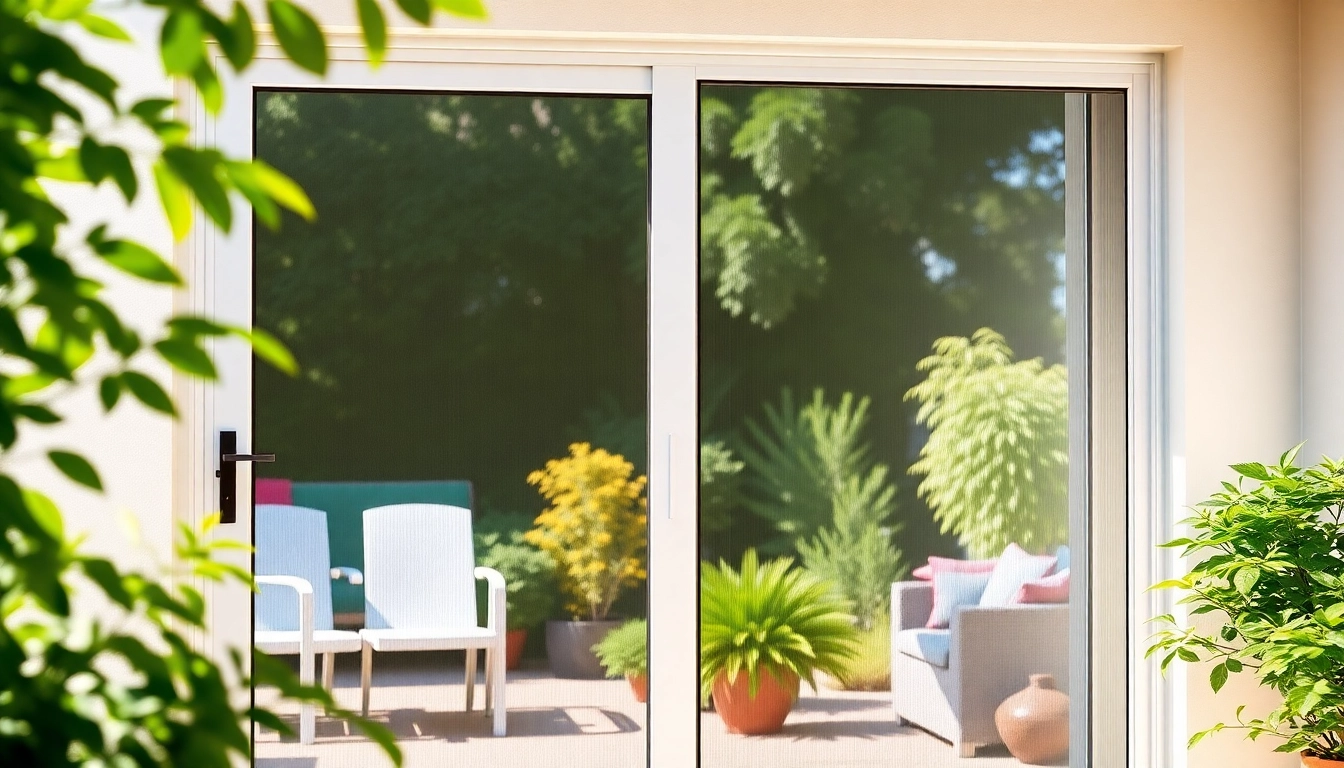
A fly screen for patio doors is a mesh barrier designed to allow fresh air into your home while preventing insects such as flies, mosquitoes, and other pests from entering. Generally crafted from fine mesh, these screens can either be fixed, sliding, or retractable, offering various functional and aesthetic options for your outdoor spaces. Their design ensures that they remain inconspicuous when not in use, providing an unobstructed view and easy access.
Benefits of Installing a Fly Screen
Installing a fly screen for your patio doors comes with several advantages:
- Insect Protection: The primary function of a fly screen is to keep annoying insects out while allowing fresh air to flow freely.
- Enhanced Comfort: By reducing insect presence, fly screens contribute to a more enjoyable outdoor and indoor environment.
- Energy Efficiency: Enhanced airflow means less reliance on air conditioning, leading to potential energy savings.
- Improved Aesthetics: Many fly screens come in customizable designs that can blend with the decor of your patio and home.
- Versatility: Available in different styles, such as retractable, pleated, or fixed, catering to a range of patio door configurations.
Common Styles Available
When it comes to choosing a fly screen for patio doors, several popular styles are available:
- Retractable Screens: These screens expand and retract into a housing unit, making them ideal for unobtrusive use.
- Pleated Screens: Featuring a honeycomb design, pleated screens offer durability and a sleek appearance.
- Sliding Screens: Designed to fit within the track of sliding doors, they provide a seamless look and are easy to operate.
- Fixed Screens: Permanently affixed to the doorframe, these are a more affordable yet effective solution.
Choosing the Right Fly Screen for Patio Doors
Factors to Consider Before Purchasing
Selecting the right fly screen for patio doors involves several key considerations to ensure you make the best choice:
- Door Size: Measure your patio door accurately to determine the correct screen dimensions.
- Material: Screens are available in various materials including aluminum, fiberglass, and polyester. Each offers different durability levels and aesthetics.
- Mesh Density: Make sure the mesh is fine enough to prevent small insects while still allowing airflow.
- Ease of Use: Consider mechanisms for opening and closing the screen, especially if frequent access is needed.
- Climate Considerations: In areas with high winds or storms, opt for robust designs that withstand harsh weather conditions.
Measuring Your Patio Door Correctly
Measuring your patio door properly is crucial for successful installation. Follow these steps:
- Use a tape measure to find the width at the top, middle, and bottom of the doorframe.
- Measure the height from the top of the doorframe to the floor.
- Note any irregularities in the doorframe that may affect the fit.
- Always opt for the smallest measurement to ensure the screen fits snugly.
Custom vs. Pre-made Options
Your choice between custom and pre-made fly screens can significantly impact both pricing and fit:
- Custom Screens: Tailored to your specific measurements and preferences, offering a perfect fit and variety of style options, although typically at a higher cost.
- Pre-made Screens: Readily available and generally more affordable, but may require slight adjustments to fit your patio door correctly.
Installation Guide for Fly Screen for Patio Doors
Tools You'll Need for Installation
Having the right tools in advance simplifies the installation process. Gather the following:
- Measuring tape
- Drill or screwdriver
- Level
- Scissors (if needed for trimming)
- Protective eyewear
- Adhesive strips (for stick-on installations)
Step-by-Step Installation Instructions
Follow this guide to install your fly screen for patio doors:
- Start by cleaning the doorframe to ensure proper adhesion and fitting.
- Measure and mark where the screen will be mounted, using your level to ensure straight lines.
- Secure the mounts for sliding or retractable screens, ensuring they are anchored firmly.
- If using a pleated or fixed screen, apply adhesive strips or screws according to your chosen method.
- Attach the screen, making sure it's taut and secure, before testing its operation.
Common Installation Mistakes to Avoid
Here are common pitfalls to watch for during installation:
- Incorrect Measurements: Always double-check measurements to avoid a poor fit.
- Ignoring Surface Cleanliness: Dust or debris can prevent proper adhesion or fitting.
- Neglecting User Reviews: Consider recommendations and experiences from others who have installed similar screens.
- Forgetting Maintenance Considerations: Ensure the screen can be easily removed for cleaning or repairs.
Maintenance Tips for Longevity
Cleaning Your Fly Screen for Patio Doors
Regular maintenance ensures your fly screen functions effectively. Here’s how to clean it:
- Vacuum: Use a soft brush attachment to remove dust and debris.
- Wash: Use mild soap and a soft cloth with water to clean; rinse thoroughly.
- Inspect: Regularly check for any tears or damages that may need repairs.
Repairing Minor Damages
Minor damages can often be fixed without having to replace the entire screen:
- Patching: Use a repair patch for small tears in the mesh.
- Replacing Sections: In some cases, replacing just the damaged section is possible.
- Cleaning the Frame: Maintain the frame to prevent rust or corrosion which can weaken the structure.
When to Replace Your Fly Screen
Your fly screen may need replacing if you notice any of the following:
- Visible tears or large holes that cannot be repaired.
- Staining or corrosion on metal components.
- If the screen has lost its ability to properly retract or slide.
Frequently Asked Questions
How do you keep flies out of patio doors?
Using fine-mesh screens along with self-closing mechanisms can significantly reduce insect entry. Ensure doors remain closed when not in use to maximize effectiveness.
Can you put fly screens on sliding doors?
Yes, specially designed fly screens for sliding doors fit within the track and provide excellent insect protection while catering to the door's functionality.
What is the average cost of a retractable screen?
The price varies by size and design, typically ranging from moderate to high, with average installed costs from $300 to $600 depending on features.
Are fly screens effective against all insects?
While fly screens are great for blocking most flying insects, they may not be effective against very tiny pests like some gnats or mites, depending on mesh size.
What size fly screen do I need for my patio door?
Measure the width and height of your patio door carefully to select screens that fit perfectly. Always opt for the smallest measurement to ensure no gaps.