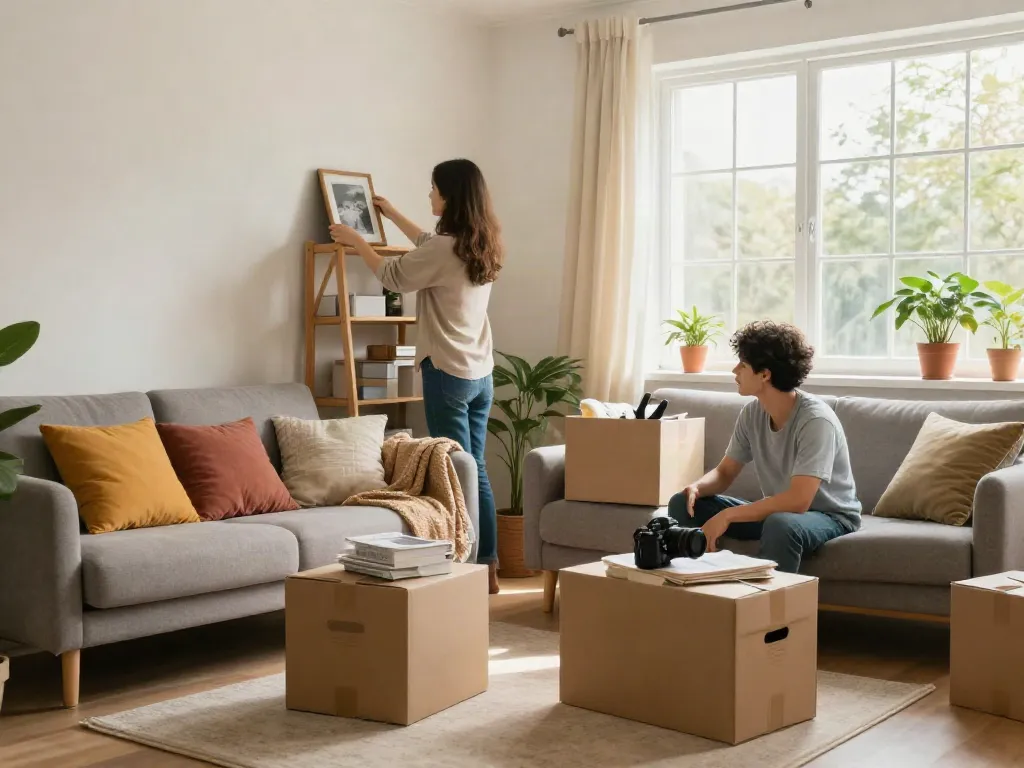
Understanding the Emotional Aspects of Moving Here
Relocating is not just about packing up your belongings and finding a new place to live; it's a significant life event that often comes with a whirlwind of emotions. For many, the decision to moved here is driven by various factors, including career opportunities, family commitments, or the allure of a new environment. Understanding the emotional nuances associated with moving can pave the way for a smoother transition and a more fulfilling experience in your new home.
Why People Choose to Move Here?
Every year, thousands of individuals and families decide to move to new locations, and the reasons behind this phenomenon are as diverse as the movers themselves. Some common motivations include:
- Career Growth: Many people relocate for better job prospects, higher salaries, or career advancement opportunities that their current location may not offer.
- Quality of Life: Factors such as climate, cost of living, education, and recreational opportunities can make certain locations more desirable.
- Family Considerations: Individuals often move to be closer to family members or to provide better educational opportunities for their children.
- Adventure and Change: Some people are simply seeking new experiences, whether it’s a different culture, lifestyle, or environment.
The Emotional Rollercoaster of Relocation
Moving can be an emotional process. It's common for individuals to experience a range of feelings, including anxiety, excitement, and even sadness. Some prevalent emotions include:
- Anticipation: Looking forward to new opportunities and experiences can evoke a sense of excitement.
- Loss: Leaving behind familiar places and faces can cause feelings of grief and melancholy.
- Fear: The uncertainty of adjusting to a new environment can be daunting.
- Relief: For some, the move signifies escaping an unhappy situation or a chance to reset their lives.
How to Prepare for the Transition Emotionally
To cope with the emotional challenges of moving, consider these strategies:
- Talk About It: Share your feelings with friends or family. Discussing your emotions can provide relief and clarity.
- Stay Organized: Create a detailed moving plan to reduce anxiety related to logistics.
- Explore Your New Area: Familiarizing yourself with your new environment before the move can help ease the transition.
- Establish Routines: Setting up new daily habits and routines in your new home can provide a sense of normalcy.
Logistical Steps for a Successful Move Here
Once you’ve navigated the emotional peaks and valleys of moving, the next step is to organize the logistics of your relocation. A successful move involves careful planning and execution. Here are the pivotal steps to ensure a seamless experience.
Creating a Moving Checklist
A moving checklist is an invaluable tool that helps keep you organized during your relocation. Here’s how to create one:
- List All Tasks: Include everything from packing to setting up utilities.
- Prioritize: Determine which tasks need to be completed first and which can be handled later.
- Set Deadlines: Assign dates to each task to stay on track.
Choosing the Right Movers or DIY
Deciding whether to hire professional movers or tackle the move yourself is a critical choice. Consider the following:
- Budget: Hiring movers is often pricier than a DIY approach, so assess your budget carefully.
- Distance: Long-distance moves might be better handled by professionals, while local moves could be done more cheaply on your own.
- Time Constraints: If you have limited time, hiring movers can save you valuable hours.
Essential Packing Tips for a Smooth Move
Packing efficiently can make all the difference on moving day. Here are some essential tips:
- Start Early: Begin packing well in advance to avoid last-minute chaos.
- Label Boxes Clearly: Indicate which room the box belongs to and a brief list of contents.
- Use Quality Packing Materials: Invest in sturdy boxes and packing supplies to protect your belongings.
Setting Up Your New Home After You Moved Here
Once you’ve successfully relocated, it’s time to turn your new house into a home. This involves both practical organization and personal touches.
Arranging Your Space for Comfort and Functionality
Creating a comfortable living space starts with thoughtful arrangement. Consider the following:
- Evaluate Flow: Ensure there is a logical flow between rooms for ease of movement.
- Zones: Create distinct areas for different activities, such as work, relaxation, and entertaining.
- Furniture Layout: Experiment with furniture placement to find the most functional layout.
Personalizing Your Home After You Moved Here
Infusing your personality into your new space can make it feel more welcoming. Here are some ideas:
- Artwork and Decor: Choose artwork and decor that resonates with you.
- Family Photos: Display photos of loved ones to create a sense of familiarity.
- Color Schemes: Use color to evoke specific moods; calming colors can create a tranquil environment.
Creating an Inviting Atmosphere for Guests
To make your new home inviting for guests:
- Comfortable Seating: Ensure there are plenty of comfortable seating options in your living areas.
- Warm Lighting: Use lighting to create a cozy atmosphere; consider soft, warm bulbs.
- Entertaining Essentials: Stock up on items needed for hosting, such as glasses, plates, and refreshments.
Community Integration After You Moved Here
Once you’ve made your house a home, the next step is to integrate into your new community. Building connections and finding your place can be a fulfilling experience.
Building Connections: Making New Friends
Establishing a social network in a new area can be challenging. Here are some strategies to make friends:
- Community Events: Attend local events, fairs, and festivals to meet new people.
- Interest Groups: Join clubs or groups that align with your hobbies and interests.
- Neighbors: Introduce yourself to neighbors; a warm greeting can go a long way.
Finding Local Services and Amenities
Getting to know the local services and amenities is key to feeling settled. Consider these steps:
- Grocery Stores: Locate nearby grocery stores and specialty shops.
- Healthcare: Find local healthcare providers or hospitals for peace of mind.
- Recreation: Identify parks, gyms, and recreational facilities to stay active.
Engaging in Community Events and Activities
Participating in community events can enhance your sense of belonging. Here’s how to get involved:
- Volunteer: Giving back is a great way to meet people and make a positive impact.
- Attend Local Meetings: Engage in local government or community meetings to become informed and active.
- Join Classes: From art to fitness, classes are a fun way to learn and connect.
Future Trends in Urban Relocation by 2026
As we look towards the future, certain trends are emerging that are expected to shape the landscape of urban relocation.
How Remote Work is Changing Moving Habits
The rise of remote work is significantly reshaping where people choose to live. Here’s how:
- Flexibility in Location: Individuals are no longer tethered to their workplaces, allowing them to move to more desirable locations.
- Work-Life Balance: Many are prioritizing personal well-being, seeking environments that offer a better quality of life.
Smart Home Technology Integration in New Homes
As technology evolves, so does the way we live. Smart home technology is becoming a norm, offering conveniences such as:
- Automation: Smart devices can automate daily tasks, enhancing convenience.
- Energy Efficiency: Tech-savvy homes can help reduce energy consumption, leading to cost savings.
Future-Forward Living: Eco-Friendly Practices After You Moved Here
With increasing awareness of environmental issues, eco-friendly practices are becoming more prevalent. Consider these practices:
- Sustainable Materials: Homebuyers are choosing properties built with eco-friendly materials.
- Green Spaces: Urban planners are emphasizing parks and green spaces for community health.
What does "moved" mean?
The term "moved" typically refers to the act of changing one’s residence or position. It can signify a physical transition or an emotional response, such as feeling moved by a poignant event.
How come you moved here?
This question often arises during conversations among new acquaintances and can foster connection as it invites sharing personal stories and experiences related to relocation.
What does "I'm moved" mean?
When someone says "I'm moved," they usually refer to feeling emotionally affected by an event or situation, often indicating a strong emotional response.
Which is correct: "I move" or "I moved"?
This depends on the context. "I move" is present tense, while "I moved" is past tense, indicating that the action of relocating has already occurred.
What are the best practices for moving here?
Best practices for moving include creating a detailed plan, securing assistance if necessary, and taking time to manage the emotional aspects of relocation. Being informed and prepared can lead to a much smoother transition.