Understanding Computer Disposal Reading and Its Importance
Computer disposal reading is an essential practice that helps individuals and organizations responsibly manage their electronic waste. E-waste includes various electronic devices such as computers, laptops, smartphones, and printers. As technology continues to advance, the number of outdated electronics in homes and businesses increases, making proper disposal crucial. Responsible recycling not only protects the environment but also ensures compliance with legal regulations. For a comprehensive guide on computer disposal reading, consider reaching out to computer disposal reading resources.
What is Computer Disposal Reading?
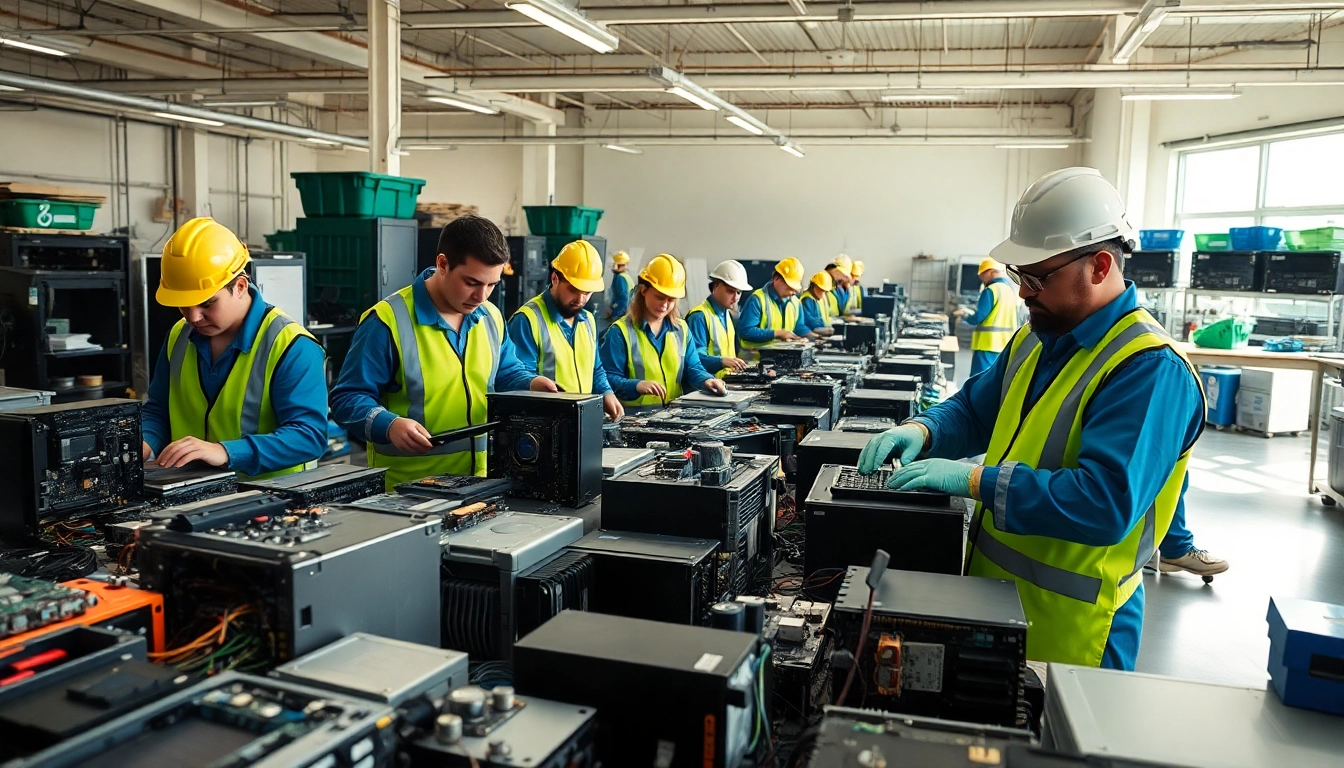
Computer disposal reading refers to the processes and practices involved in disposing of outdated or unwanted electronic devices in a way that minimizes negative environmental impact. This includes recycling components, ensuring data security, and adhering to local laws. The aim is to safely manage e-waste to avoid pollution while recovering valuable materials for reuse.
Environmental Impacts of Improper Disposal
Improper disposal of electronic waste can have significant environmental consequences. When e-waste is dumped in landfills, hazardous chemicals like lead, mercury, and cadmium can leach into soil and water supplies, leading to long-term ecological damage. Furthermore, these toxins can adversely affect human health if they enter the food chain. Recycling electronics not only mitigates these hazards but also promotes resource recovery, conserving natural resources.
Legal Regulations Surrounding E-Waste
In many regions, legislation governing the disposal of e-waste is stringent. Regulations often prohibit the disposal of electronics in regular trash. Local authorities may enforce fines for non-compliance and encourage responsible recycling programs. Familiarizing oneself with these regulations is essential, ensuring that businesses and individuals adhere to legal requirements while supporting sustainable practices.
Best Practices for Computer Disposal Reading
Preparing Your Computer for Disposal
Before disposing of a computer, it’s vital to prepare the device properly. This involves cleaning your hard drive to erase personal data securely. Use data-wiping software that complies with industry standards to prevent data recovery. Additionally, removing all peripherals and accessories will streamline the disposal process and ensure maximum recycling efficiency.
Choosing the Right Disposal Method
There are various methods for disposing of computers, each suitable for different circumstances. Options can include recycling through specialized facilities, donating functional computers to charities, or participating in manufacturer take-back programs. Research local recycling centers to determine their capabilities and certifications, ensuring you choose a reputable organization for your disposal needs.
Data Security During Disposal
Data security cannot be overlooked during computer disposal. Inadequate data destruction can lead to identity theft and unauthorized access to sensitive information. Engage professionals who specialize in secure data destruction or follow DIY methods that ensure complete data annihilation. Always keep records of the data destruction process, especially for business operations, to demonstrate compliance with data protection laws.
Local Resources for Computer Disposal Reading
Where to Recycle Computers in Your Area
To recycle computers effectively, local resources must be utilized. Look for designated e-waste recycling centers or events in your area that accept computers. Many communities organize periodic collection drives where residents can drop off their electronic waste safely. Check municipal websites or local waste management agencies for details on nearby recycling locations.
Free Disposal Programs Available
Several communities offer free disposal programs aimed at reducing e-waste. These programs often provide designated drop-off points or scheduled pick-up services for unwanted electronics. Stay informed about these initiatives through local newsletters or community boards to take advantage of available resources for responsible disposal without incurring costs.
Community Events for E-Waste Collection
Community events are excellent opportunities for individuals to participate in e-waste recycling efforts. Cities frequently organize events where residents can safely dispose of electronic devices. Engage with local environmental groups to learn about upcoming collection days, ensuring you do your part in minimizing electronic waste in the community.
Frequently Asked Questions About Computer Disposal Reading
What items can be recycled with computers?
In addition to computers, many facilities accept laptops, printers, monitors, and peripherals like keyboards and mice. Some may also recycle phones and other small electronics.
Are there fees for computer disposal?
Fees for disposal vary by service; many community events offer free options, while specialized recycling facilities may charge a nominal fee for processing electronic waste.
How can I ensure my data is secure?
Use certified data wiping software to securely erase information. Alternatively, hire professionals who specialize in secure data destruction for optimal protection.
What happens to disposed computers?
Disposed computers typically undergo recycling processes where materials are separated for reuse. Components like metals and plastics can be repurposed, preventing landfill growth.
Can I donate my old computer?
If still functional, many charities and schools accept computer donations. Ensure the device is in working condition and remove personal data before donating.
Future of Computer Disposal Reading and Sustainability
Innovations in E-Waste Recycling
The future of computer disposal will rely heavily on innovative recycling technologies. Advanced techniques such as robotic disassembly and efficient material recovery systems aim to streamline recycling processes, making them more effective and environmentally friendly.
Role of Technology in Responsible Disposal
Technology plays a critical role in responsible disposal practices. Mobile apps can help users find local recycling centers, while online platforms may facilitate easier donation processes. Embracing technology can create new opportunities for community engagement in recycling initiatives.
Advocating for Sustainable Practices in Disposal
Advocating for sustainable disposal practices is essential for long-term success in e-waste management. Encouraging dialogue within local communities and educational institutions can raise awareness of responsible disposal methods. Collective efforts can lead to more robust policies and recycling programs that prioritize environmental protection and resource conservation.