Understanding IT Recycling Newbury
As technology continues to evolve at a rapid pace, the need for responsible it recycling newbury has become critical. Businesses and individuals alike are faced with the challenge of disposing of outdated or broken electronics in a manner that is environmentally responsible and compliant with regulations. This article aims to delve into the mechanics of IT recycling, highlighting its importance and best practices for effective execution.
What is IT Recycling?
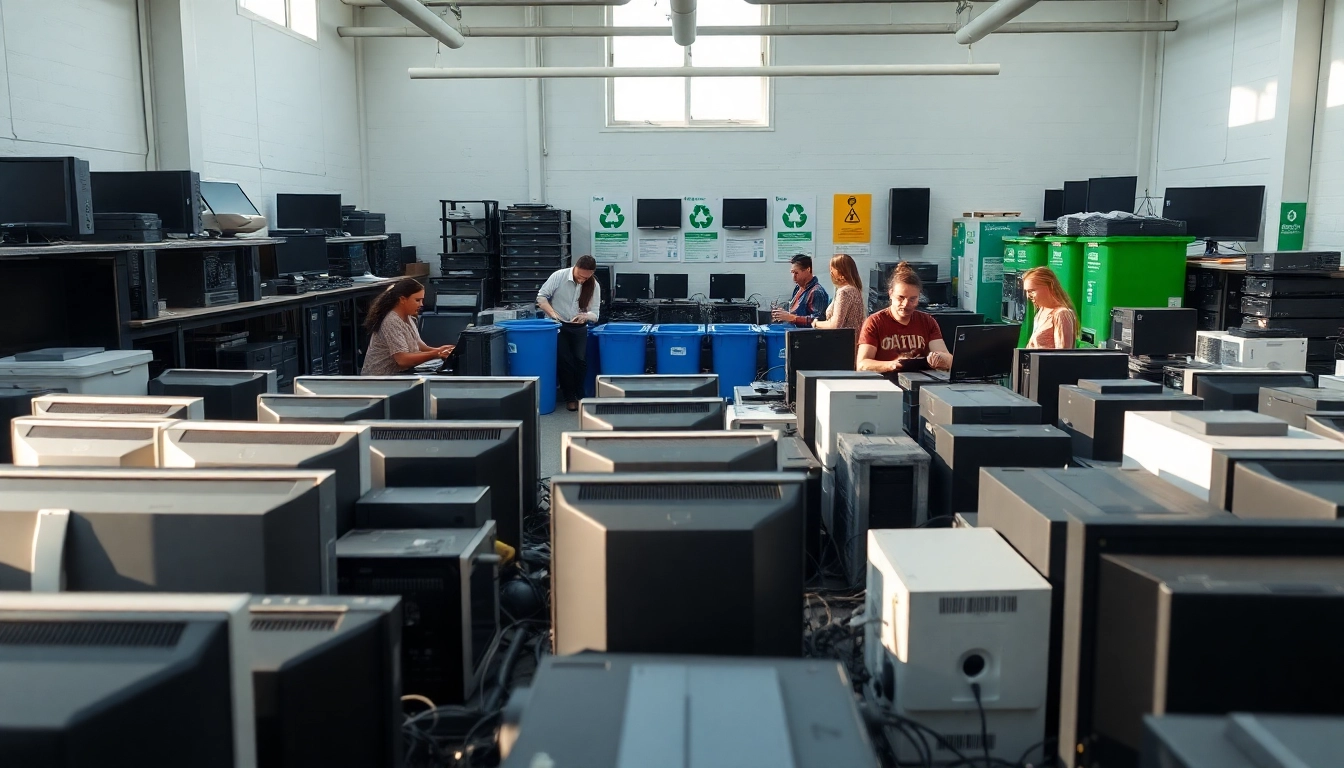
IT recycling refers to the process of reusing, repurposing, or safely disposing of electronic equipment that has reached the end of its life cycle. This can include everything from computers and servers to mobile devices and peripheral equipment. The recycling process involves dismantling these items, extracting valuable materials, and ensuring that hazardous substances are handled in compliance with environmental regulations.
Importance of Sustainable Methods
Embracing sustainable recycling methods provides numerous benefits. Environmentally, it mitigates the adverse effects of e-waste by reducing landfill contributions and conserving resources. Economically, businesses can capitalize on recovered materials, such as metals and plastics, which can be resold or reused. Additionally, companies can strengthen their reputation by demonstrating a commitment to sustainability, appealing to eco-conscious consumers.
Regulations and Compliance for IT Recycling
Compliance with local and international regulations regarding electronic waste is paramount. Many countries have stringent laws in place governing the disposal of electronics, including directives on hazardous material management. Adhering to these regulations not only prevents legal penalties but also contributes to a cleaner community and environment.
Best Practices for IT Recycling Newbury
Assessing Your E-Waste
Before you begin the recycling process, it’s important to assess your e-waste. Conduct an inventory to identify which devices are outdated or non-functional. Evaluate the condition and data held on these devices. Understanding your e-waste ensures that you can prioritize which items need immediate attention and how they should be handled.
Preparing Electronics for Recycling
Proper preparation of electronics is crucial to secure data and facilitate the recycling process. Begin by backing up important data and performing a complete data wipe using certified software. Once the data is secured, remove any personal information from devices, including accounts and storage. Finally, clean the devices to avoid contamination during the recycling phase.
Choosing Reputable Partners for Disposal
Working with a certified e-waste recycler is essential for ensuring that electronics are managed responsibly. Look for recycling companies that have certifications in electronics recycling and are compliant with environmental regulations. A reputable partner will be transparent about their recycling processes, and how they handle hazardous materials and data destruction.
Benefits of IT Recycling Newbury
Environmental Impact Reduction
IT recycling significantly minimizes the environmental impact by reclaiming materials and reducing the need for new raw materials. This helps decrease pollution, conserves natural resources, and lowers the carbon footprint associated with manufacturing new devices. Moreover, proper recycling prevents toxic substances like lead and mercury from leaching into the environment.
Data Security Considerations
Data security is a major concern for businesses. IT recycling practices often include secure data destruction methods that minimize the risk of data breaches. Employing certified recyclers with strong data security protocols ensures that sensitive information is irreversibly destroyed before devices are recycled, minimizing potential misuse.
Financial Benefits of Responsible Disposal
Beyond environmental sustainability, responsible IT recycling can yield financial savings. By recovering valuable materials from discarded electronics, businesses can reinvest these savings into new technology. Furthermore, promoting a green image may also attract customers who are increasingly seeking to engage with brands that prioritize ecological practices.
Challenges in IT Recycling Newbury
Common Myths About E-Waste Recycling
Misconceptions surrounding e-waste recycling can hinder effective practices. A prevalent myth is that all electronic waste is recycled or reused. In reality, not all recycling processes are equally efficient, and some truly harmful materials may still end up in landfills. Education on proper recycling processes is essential to clear these misconceptions.
Barriers to Proper Recycling
Barriers such as lack of awareness, accessibility, and understanding of regulations can impede proper recycling efforts. Many individuals and businesses are simply unaware of their e-waste disposal options or perceive recycling as inconvenient. Raising awareness and improving access to recycling services can help overcome these challenges.
Technological Advancements in Recycling Processes
The recycling industry is constantly evolving with new technological advancements. Innovations, such as automated sorting and advanced material recovery techniques, enhance efficiency and effectiveness in recycling processes. Keeping abreast of these advancements can help businesses make more informed decisions when it comes to IT recycling methods.
Future of IT Recycling Newbury
Trends in E-Waste Management
As the volume of e-waste continues to rise, emerging trends indicate a shift towards circular economies where waste is minimized, and materials are continually reused. Companies are increasingly investing in sustainable product design aimed at reducing e-waste generation. Trends also favor partnerships between manufacturers and recycling firms to promote closed-loop recycling practices.
Innovations in Recycling Technologies
New innovations in recycling technologies promise better recovery rates for valuable materials, reducing the environmental impact of disposal. Techniques such as hydrometallurgy allow for the extraction of precious metals from electronic waste more efficiently and sustainably. Staying informed about these technologies can help businesses choose the right recycling partners and processes.
How Businesses Can Stay Ahead
To stay ahead of evolving recycling landscapes, businesses must remain proactive in their IT recycling policies. This includes regularly updating recycling strategies to integrate the latest technologies and practices. Establishing strict e-waste management protocols and engaging employees in recycling initiatives can also promote a sustainable workplace culture.
Frequently Asked Questions
What types of electronics can be recycled?
Most electronics can be recycled, including computers, monitors, printers, televisions, and mobile phones. It's important to check local recycling guidelines for specific items.
How can I ensure my data is secure when recycling electronics?
To ensure data security, perform a factory reset and use software that wipes the data. Partner with certified recyclers who provide secure data destruction services.
Are there any costs associated with IT recycling?
Costs may vary depending on the recycling service and location. Some events or programs offer free recycling, while companies may charge for large-scale disposals.
What happens to recycled electronics?
Recycled electronics are processed to recover valuable materials such as metals and plastics. Hazardous components are managed in adherence to environmental regulations, ensuring safe disposal.
Can businesses get financial benefits from recycling electronics?
Yes, businesses can recover materials that can be resold, leading to direct financial benefits. Additionally, sustainable practices can enhance brand reputation and attract eco-conscious consumers.