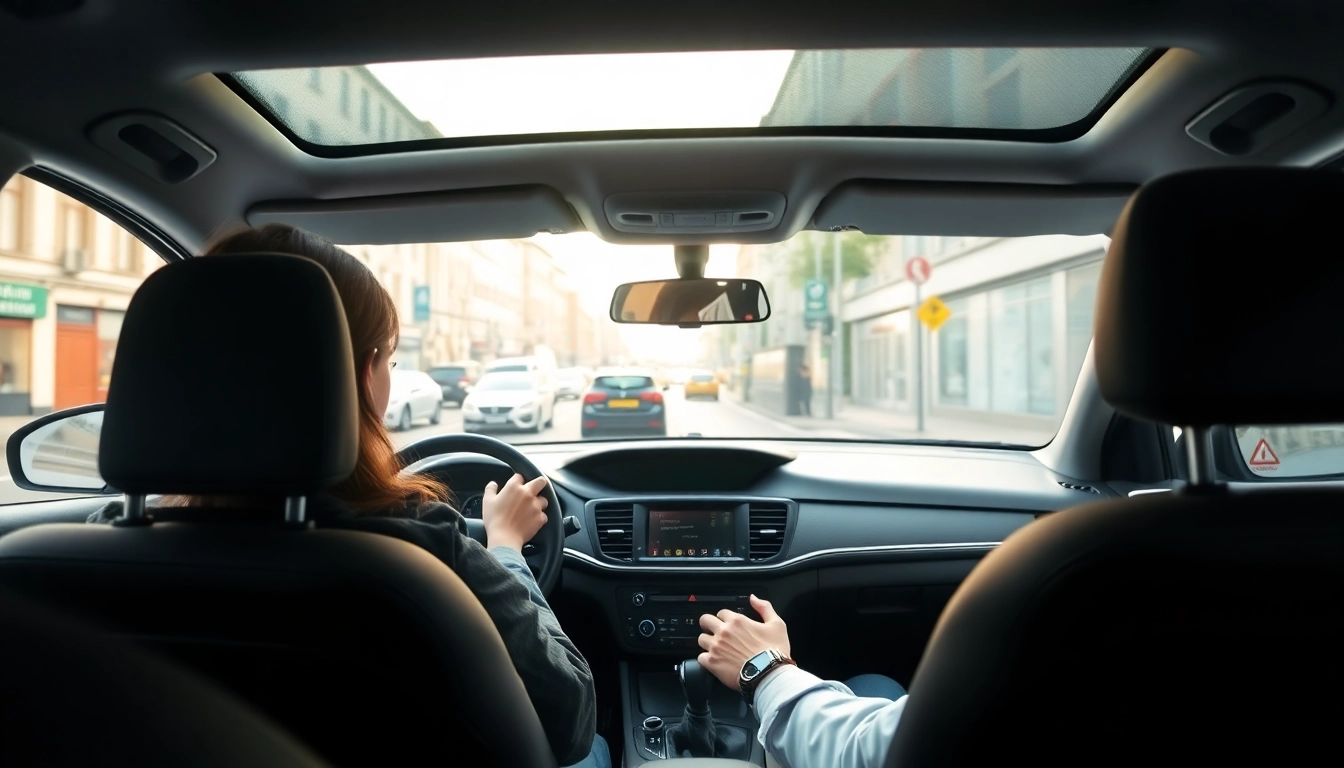
Understanding Automatic Driving Lessons Portsmouth
What are Automatic Driving Lessons?
Automatic driving lessons are a unique method of learning how to drive using a vehicle equipped with an automatic transmission. Unlike manual transmission vehicles where the driver needs to engage the clutch and shift gears, automatic vehicles simplify the process by allowing drivers to focus more on steering, acceleration, and braking. This type of instruction is gaining popularity among learners who seek a more relaxed and less demanding way to master driving skills. In cities like Portsmouth, automatic driving lessons Portsmouth offer a fantastic introduction to driving without the complexities of manual gear changes.
Benefits of Choosing Automatic Driving Lessons
There are several compelling benefits to selecting automatic driving lessons:
- Ease of Learning: Automatic cars remove the need to learn gear shifting, allowing learners to concentrate on road rules and safe driving practices.
- Less Stress: Many learners find automatic cars less intimidating. This can lead to a more relaxed learning environment where students can build confidence quickly.
- Quicker Proficiency: With the reduced number of tasks to handle, learners can achieve driving independence faster when they focus on mastering the fundamental aspects of driving.
- Accessibility: Automatic vehicles can be easier for those with physical disabilities that might make operating a manual vehicle challenging.
- Modern Technology: Many newer automatic cars come with advanced safety features and driving aids, giving learners the opportunity to drive the latest models while they learn.
Who Should Consider Automatic Driving Lessons?
Automatic driving lessons are ideal for a variety of individuals, including:
- First-time drivers who wish to build confidence without the added pressure of learning manual transmission.
- Individuals who have previously struggled with manual driving and are looking for a simpler option.
- People with disabilities or health conditions that may hinder their ability to operate manual vehicles.
- Drivers looking to refresh their skills after a long break without the complexities of gear changes.
Preparing for Your First Lesson
What to Expect During Your Initial Driving Lesson
Your first driving lesson will likely begin with a friendly introduction to your instructor, who will explain the basics of driving an automatic vehicle. Expect to spend time in a safe, controlled environment where you will learn about the vehicle controls, such as the gear selector, pedals, and dashboard indicators. As the lesson progresses, you will begin to practice basic maneuvers in a low-traffic area, gradually building up to more complex driving situations.
Essential Documents and Requirements
Before starting your automatic driving lessons in Portsmouth, ensure you have the necessary documents:
- Provisional Driving License: A valid provisional driving license is required to begin your lessons.
- Identification: Present a form of ID to verify your identity, especially if the instructor requires it.
- Payment Method: Ensure you have a way to pay for your lessons, whether it's cash, card, or online payment options.
Setting Goals for Your Driving Experience
To maximize the benefits of your automatic driving lessons, it's crucial to set clear, achievable goals. Discuss these with your instructor during your first lesson. Goals can range from mastering specific maneuvers to preparing for the driving test. Having defined objectives will help you stay focused and track your progress throughout your lessons.
Key Techniques in Automatic Driving Lessons Portsmouth
Mastering Vehicle Controls
One of the first skills you'll develop in automatic driving lessons is mastering the controls of your vehicle. Familiarize yourself with:
- Accelerator and Brake Pedals: Understand the function of each pedal and practice applying them smoothly.
- Gear Selector: Learn how to engage drive, reverse, and park safely.
- Dashboard Indicators: Familiarize yourself with the various lights and indicators that inform you about the vehicle's functioning.
Understanding Road Signs and Signals
Knowledge of road signage and signals is fundamental for safe driving. During your lessons, pay attention to:
- Traffic signs that indicate speed limits, warnings, and instructions.
- Signals from other motorists, including hand signals and brake lights.
- Pedestrian crossings and school zones, adapting your speed accordingly.
Sharpening Your Observation Skills
Effective observation is key to being a responsible driver. Techniques to enhance your observation skills include:
- Practice scanning the road ahead to anticipate hazards.
- Make use of your mirrors frequently to remain aware of your surroundings.
- Engage in active listening to sounds around you, such as sirens or approaching vehicles.
Overcoming Common Challenges
Nervousness When Starting Automatic Lessons
Feeling nervous about your first lesson is entirely normal. Some strategies to manage this include:
- Communicate your fears with your instructor. A supportive instructor can provide reassurances.
- Familiarize yourself with the vehicle controls beforehand, if possible.
- Take deep breaths and remind yourself that it's okay to make mistakes; practice makes perfect.
Dealing with Road Traffic and Distractions
Driving in traffic can be daunting. Here’s how to address this challenge:
- Begin your lessons in low-traffic areas to build confidence gradually.
- Practice defensive driving by maintaining safe distances from other vehicles.
- Learn to stay focused amid distractions—using techniques like the 'three-second rule' to gauge distances.
Building Confidence Behind the Wheel
Confidence comes with practice and familiarity. Boost your confidence by:
- Completing regular practice sessions between lessons.
- Setting small, achievable goals with your instructor.
- Celebrating your progress, no matter how small—each step brings you closer to becoming a confident driver.
Progress and Next Steps
Tracking Your Driving Progress
To measure your growth as a driver, maintain a progress log. Document the skills you've mastered, areas where you feel less confident, and feedback from your instructor. This process not only tracks your learning but also helps identify your next areas of focus.
Preparing for the Driving Test
As you approach your test date, ensure you:
- Review the driving test requirements and format in your area.
- Practice the test route, if possible, to familiarize yourself with the challenges.
- Set up mock tests with your instructor to simulate the real experience.
Post-Learning Resources and Support
Upon completing your lessons, take advantage of post-learning resources such as:
- Refresher courses that can strengthen your skills over time.
- Online forums and communities where you can share experiences and seek advice from fellow drivers.
- Books and materials that focus on advanced driving techniques and safety tips.
Frequently Asked Questions
How long do automatic driving lessons typically last?
Automatic driving lessons usually last one to two hours, depending on the learner's skill level and comfort.
What is the minimum age for taking automatic driving lessons?
In most places, you can start taking automatic driving lessons at 17, provided you have a provisional license.
Can I take the driving test in an automatic car?
Yes, if you take lessons and pass your test in an automatic, your license will restrict you to automatic vehicles only.
Are automatic driving lessons more expensive than manual lessons?
Prices vary depending on location and school, but automatic lessons may sometimes be slightly more expensive due to vehicle upkeep.
Will I become a skilled driver faster with automatic lessons?
Many learners find it easier to become proficient with automatic driving lessons due to fewer complexities compared to manual driving.