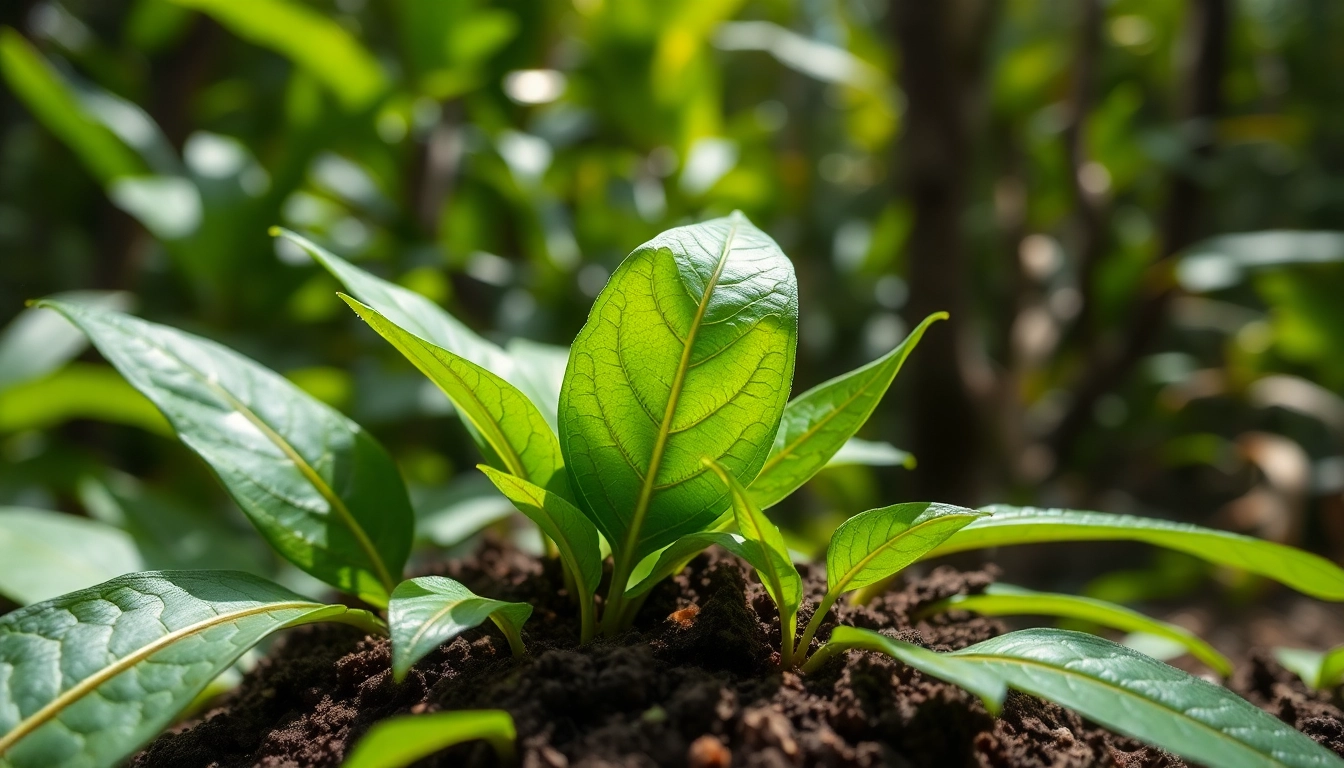
Understanding DMT and Its Natural Sources
What is DMT?
DMT, or N,N-Dimethyltryptamine, is a naturally occurring psychedelic compound found in various plants and animals. Often associated with intense visual and auditory hallucinations, it has garnered attention for its potential to induce profound spiritual experiences. Primarily categorized within the class of hallucinogenic substances, DMT is recognized not just for its neurochemical properties but also for its cultural significance in traditional rituals.
Natural Sources of DMT
DMT can be derived from a range of natural sources, with several plants noted for their content of this powerful compound. Some of the most recognized include:
- Mimosa hostilis: Renowned for its high DMT concentration, this plant is often used in traditional brews like Ayahuasca.
- Psychotria viridis: Frequently used in conjunction with other plants in indigenous rituals, it serves as another significant source of DMT.
- Diplopterys cabrerana: This plant is known for its role in traditional shamanic practices, providing another avenue for DMT extraction.
Benefits of Using Natural DMT
The utilization of natural DMT offers several potential benefits:
- Spiritual Insights: Many users report transformative spiritual experiences, facilitating deep personal insights and emotional healing.
- Therapeutic Potential: Preliminary studies suggest that DMT may aid in treating various mental health issues like depression and PTSD.
- Cultural Connection: Using DMT in traditional contexts fosters a connection to indigenous cultures and practices, promoting respect for ancient wisdom.
How to Get DMT: Safe Extraction Methods
Preparation of Plant Materials
Before diving into extraction methods, it’s essential to prepare plant materials adequately. The first step involves sourcing high-quality, dried plant material. The extraction processes generally employed for plants like Mimosa hostilis include:
- Powdering: Finely grinding the dried plant material increases the surface area, making the extraction process more efficient.
- Cleaning: Remove any impurities or non-DMT bearing parts from the plant to ensure a higher yield of the active compound.
Basic Extraction Techniques
There are several methods for extracting DMT from plant materials, including:
- Acid-Base Extraction: This method involves creating a separation of the DMT from the plant material using acids and bases along with solvents. It’s widely recognized for its efficacy.
- Freebase Extraction: Another popular method, this focuses on converting the DMT to its freebase form to facilitate vaporization for consumption.
- Alcohol Extraction: Utilizing alcohol to extract DMT, which is often considered safer and less toxic than other solvents.
Safety Precautions During Extraction
When proceeding with DMT extraction, prioritizing safety is paramount:
- Use Protective Gear: Always wear gloves, goggles, and a mask to protect against chemical exposure.
- Proper Ventilation: Perform extraction in a well-ventilated area to avoid toxic inhalation of fumes.
- Research Thoroughly: Familiarize yourself with the techniques before attempting extraction to mitigate risks associated with improper handling.
The Role of DMT in Traditional Practices
DMT in Indigenous Cultures
DMT has been intrinsic to various indigenous cultures, particularly in South America. For example, the use of Ayahuasca, a brew containing DMT, is central to healing rituals and spiritual practices among Amazonian tribes. Through guided sessions with shamans, participants often embark on personal journeys of healing, self-discovery, and communal bonding.
Ritualistic Uses of DMT
In many cultures, DMT is not merely a psychedelic experience but a sacred tool. Rituals surrounding its use often include:
- Healing Ceremonies: Utilizing DMT for spiritual and bodily healing with the guidance of experienced practitioners.
- Vision Quests: Participants engage in introspective journeys to find purpose and clarity in their lives.
Modern Interpretations and Usage
As understanding of DMT expands, modern interpretations have emerged, breathing new life into ancient practices. Today, many individuals use DMT outside traditional contexts, exploring its potential benefits through:
- Retreats and Workshops: These offer structured environments to experience DMT in a safe, therapeutic setting.
- Integration Circles: Spaces where users discuss and process their experiences to cultivate understanding and healing.
Legal Considerations and Risks
Legal Status of DMT
The legal status of DMT varies across regions. In many countries, including the United States, DMT is classified as a Schedule I controlled substance, making its possession and distribution illegal. However, certain religious groups are permitted to use it in ceremonial contexts. Understanding local laws is crucial before pursuing its use or extraction.
Psychoactive Effects and Safety
As a potent hallucinogen, the effects of DMT can be intense, often leading to altered perceptions, vivid visual experiences, and a sense of connection to the universe. While many report positive outcomes, it is important to be aware of potential adverse effects:
- Panic or Fear: Some users may experience overwhelming emotions or fear during their experience. Having a trusted sitter can mitigate these effects.
- Physical Reactions: Nausea, increased heart rate, and bodily discomfort can occur, particularly during the initial onset.
Potential Risks and Health Concerns
Beyond the immediate effects, potential health risks exist:
- Interaction with Medications: DMT can interact adversely with certain medications, especially antidepressants.
- Psychological Impacts: For individuals predisposed to mental health disorders, DMT can exacerbate symptoms.
Alternatives to Extracting DMT
Using DMT Legally
Those interested in DMT may explore legal avenues, including participating in guided ceremonies where DMT is consumed responsibly in a supportive environment. Such settings often integrate cultural traditions with modern therapeutic practices.
Exploring Synthetic Options
In recent years, synthetic variants of DMT are gaining popularity. These can be produced in laboratory settings, offering controlled doses for research and therapeutic purposes. While promising, synthetic DMT raises ethical questions about its use and the importance of respecting traditional practices.
Connecting with DMT Community Support
Connecting with communities that focus on DMT can provide valuable support and information. These groups often share resources, research findings, and personal experiences that foster a deeper understanding of the compound and its implications.
Frequently Asked Questions
What are the effects of DMT?
DMT can induce intense visual and auditory hallucinations, experiences of altered timelines, and deep spiritual connections, often described as life-changing.
Is DMT safe to consume?
While some users report positive experiences, DMT can pose risks, especially for those with underlying health conditions or taking certain medications.
Can DMT be found in everyday plants?
Yes, DMT naturally occurs in several plants like Mimosa hostilis and Chacruna, which can be brewed or extracted for use.
What is the traditional use of DMT?
DMT has been historically used in various cultures for ceremonial purposes, often within shamanistic practices to promote healing and insight.
How can I learn more about DMT safely?
Engaging with credible literature, community forums, and educational resources can enhance understanding of DMT and its implications.
For further insights, it’s beneficial to explore legitimate resources on how to get dmt.