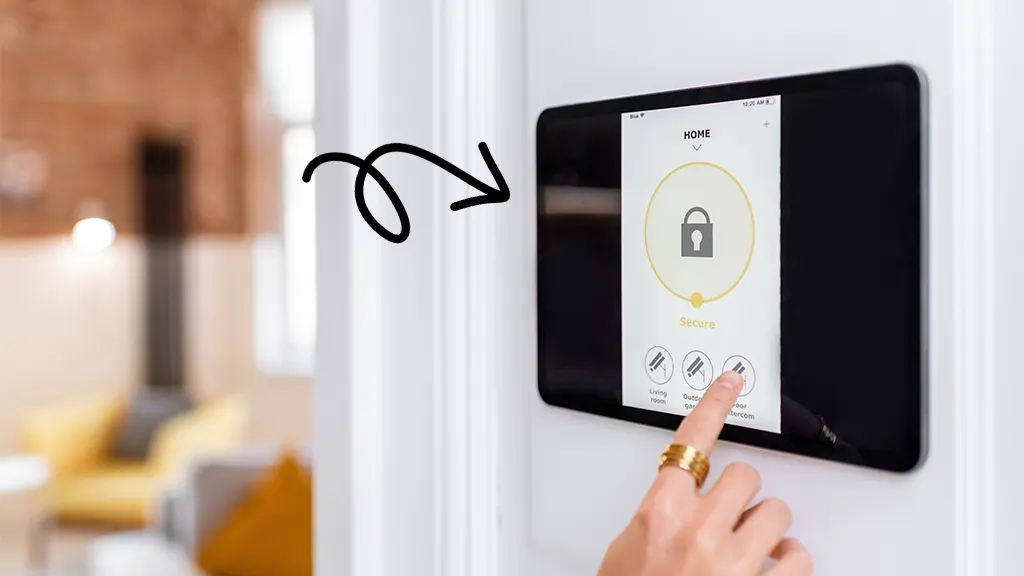
Choosing the right Home Security system is one of the most important decisions a homeowner can make because it determines how well your loved ones, valuables, and property stay protected against modern threats. As technology evolves, Home Security systems are becoming more intelligent, connected, and proactive. Yet with so many brands, devices, and features available on the market, the process of picking a system that meets your household’s needs can feel overwhelming. This comprehensive and deeply researched guide from Deep Dive Picks walks you through every essential factor that shapes the effectiveness of a Home Security system. It explains the technical details, practical considerations, and real-world scenarios that influence buying decisions so you can invest confidently and avoid mistakes that may cost you later.
Understanding the true value of a Home Security system goes far beyond alarms and cameras. Modern systems provide integrated protection through motion detection, real-time notifications, smart home compatibility, cloud storage, remote access, and advanced analytics that help identify suspicious behavior before it becomes a threat. However, these benefits only come to life when homeowners know exactly which features matter most, which ones are marketing fluff, and which systems provide long-term reliability. This article delivers exactly that level of clarity by breaking down every factor in a structured and expert-driven way.
What Modern Home Security Really Means Today
Modern Home Security has transformed from basic alarm panels into intelligent networks of connected devices. These systems collect, analyze, and respond to data from sensors, cameras, and environmental monitors to protect your home in real time. When evaluating what to buy, it is important to understand that today’s Home Security solutions are designed not only for burglary prevention but also for complete household safety. This means they help detect fires, water leaks, carbon monoxide, and unusual activity when you’re home or away. The evolution of AI-powered monitoring also allows systems to differentiate between normal and suspicious movement, reducing false alarms and improving response accuracy.
The shift toward smart technology has allowed Home Security systems to integrate seamlessly with smart locks, voice assistants, smart lighting, and automated routines. This compatibility enhances convenience, personalization, and efficiency, making everyday life smoother by letting you manage security from your phone. For this reason, understanding the role of smart home integration is vital when choosing the right Home Security solution. The convenience of remote access and automation can make even advanced systems easy to manage for busy households, frequent travelers, and families with varying schedules.
At the heart of today’s Home Security innovation is the idea of prevention rather than reaction. Instead of merely responding to emergencies, these systems detect potential threats early, deter criminal behavior, and ensure a faster, more coordinated response. Predictive alerts, smart scheduling, and automated lighting patterns help prevent break-ins while providing peace of mind. When selecting a system, buyers should be aware of how predictive intelligence and automated features can significantly increase the ultimate value and performance of their Home Security investment.
Professional Monitoring vs. Self-Monitoring in Home Security
One of the most important decisions when buying a Home Security system is choosing between professional monitoring and self-monitoring. Professional monitoring connects your system to a 24/7 security center that reviews alerts and dispatches emergency responders when needed. This option provides the highest level of protection because trained personnel respond even when you’re unavailable. For many homeowners, this is the foundation of robust Home Security, especially for families who travel frequently or live in areas with higher crime potential.
Self-monitoring, by contrast, relies on mobile notifications that alert you directly when a sensor detects activity. While this can be effective for tech-savvy individuals who always have access to their phones, it places full responsibility on the homeowner. Delayed responses, missed notifications, and connectivity issues can reduce the reliability of self-monitoring systems. Therefore, homeowners evaluating Home Security must reflect on their lifestyle, responsiveness, and access to mobile devices. Self-monitoring is often budget-friendly and ideal for renters or small apartments, but it may not provide the full protection needed for larger homes or families.
Many premium Home Security systems offer hybrid options that allow users to switch between professional and self-monitoring depending on their circumstances. This flexibility is valuable because it combines cost-efficiency with dependable protection. When choosing a system, it is essential to evaluate whether the monitoring service includes features such as video verification, emergency backup communication, and fast dispatch times. Understanding these differences ensures your investment in Home Security delivers the level of responsiveness you truly need.
Wired vs. Wireless Home Security Systems
Another crucial consideration when selecting a Home Security system is whether to choose a wired or wireless setup. Wired systems have long been the traditional standard because of their reliability, consistent power supply, and stability. However, installation typically requires professional assistance, drilling, and access to your home’s internal wiring. They often work best for large homes or newly constructed properties where wiring can be integrated seamlessly. Wired Home Security systems are harder for intruders to disable, especially since they rely on dedicated power lines rather than battery-operated devices.
Wireless systems, on the other hand, have surged in popularity due to their ease of installation, flexibility, and smart home compatibility. They use Wi-Fi or dedicated wireless networks to connect sensors, cameras, and control hubs. This makes wireless Home Security systems ideal for renters, older homes, and households that want minimal disruption. They also allow components to be moved, expanded, or replaced easily as your needs change. However, wireless systems depend heavily on network stability and battery life, which means homeowners must stay proactive about maintenance to keep their systems running smoothly.
When evaluating wired versus wireless options, it is essential to consider your property layout, long-term plans, and potential for future expansion. Wireless devices excel in convenience but require strong network infrastructure. Wired devices excel in stability but lack mobility and may cost more upfront. Understanding your household’s needs ensures the Home Security system you select offers reliability, convenience, and long-term value.
Importance of Smart Home Compatibility
Smart home integration has become a central feature of many modern Home Security systems. Compatibility with devices like smart locks, smart lights, thermostats, and voice assistants can greatly enhance your ability to monitor and control your home remotely. A highly compatible system allows you to lock doors, shut off lights, view camera feeds, and adjust settings from your phone or through voice commands. This integration strengthens Home Security by allowing automated routines such as locking doors at night or activating lights when motion is detected.
Choosing a system that supports multiple smart home ecosystems, such as Google Home, Amazon Alexa, or Apple HomeKit, expands your options and prevents tech limitations in the future. Homeowners should consider whether a system can integrate with advanced sensor categories like glass break detectors, garage door sensors, and environmental monitors. These additions deliver layers of protection that go beyond basic intrusion detection. The decision to invest in a system with strong smart home compatibility ensures your Home Security installation remains future-proof and adaptable as new devices enter the market.
The convenience of smart routines can also improve energy efficiency and daily habits. Automated schedules ensure doors lock when you leave, lights turn off when not needed, and cameras activate during specific hours. Such functionalities enhance not just Home Security but overall home management, creating a safer and more efficient living environment. When selecting a system, buyers should pay attention to whether the platform offers an easy-to-use interface that supports intuitive automation without requiring technical expertise.
Camera Quality and Features That Matter Most
Cameras are one of the most visible and essential components of modern Home Security systems. The quality of video footage plays a crucial role in identifying suspicious individuals, verifying incidents, and providing authorities with necessary evidence. High-resolution cameras, especially those offering 2K or 4K video, ensure that facial details, license plates, and other critical identifiers remain clear. When evaluating a system, buyers should consider whether cameras provide wide-angle coverage to eliminate blind spots. A broader field of view helps ensure that entrances, driveways, and backyard areas stay fully protected.
Night vision is another critical component because most property breaches occur in low-light conditions. Infrared and color night vision technologies improve visibility and clarity during nighttime hours. Motion detection capabilities further enhance camera performance by triggering recording or sending alerts when movement is detected. Advanced systems use AI-powered object recognition to distinguish between humans, animals, and vehicles, reducing false alarms. For a modern Home Security setup, these intelligent features can provide faster and more accurate responses to potential threats.
Durability is also a key factor when purchasing outdoor cameras. Weatherproofing ensures protection against rain, dust, heat, and snow. Cameras should meet industry standards for outdoor resilience to maintain constant functionality. Additionally, buyers should evaluate storage options because footage can be saved either locally or via cloud services. Cloud storage offers convenience and accessibility, while local storage provides greater privacy and control. Each method plays a major role in how long footage is kept, how easily it can be accessed, and how securely it is stored within your Home Security system.
Understanding Sensors and Detection Technologies
Sensors form the backbone of every Home Security system. They detect movement, door openings, window breaches, glass breaking, and environmental hazards like smoke or water leaks. Each sensor type plays a different role in protecting your home and contributes to the strength of your system’s overall performance. For example, entry sensors provide immediate alerts when someone opens a door or window. Motion sensors cover internal areas that intruders often cross, helping detect movement in hallways and rooms. Glass break sensors identify the frequency and pattern of breaking glass, which is crucial for homes with large windows or sliding doors.
Environmental sensors are equally important because they expand Home Security to include life-safety protection. Smoke detectors, carbon monoxide sensors, and water leak detectors add layers of safety that help prevent disasters. Modern sensors often include digital monitoring that reduces false alarms and increases accuracy. Many systems now incorporate AI to identify familiar household activity patterns, reducing unnecessary alerts while improving situational awareness. This combination of smart analytics and advanced sensor technology creates a more proactive protection strategy for your home.
When choosing a Home Security system, homeowners should consider whether sensors are easy to install, replace, and maintain. Battery life is a key factor because sensor performance depends on consistent power. Systems that provide low-battery alerts and automatic diagnostics ensure long-term reliability. The range and sensitivity of sensors should also match your home’s size and layout. A large home may require long-range sensors and signal extenders to ensure every area remains fully protected. Understanding these sensor technologies helps you build a customized and effective Home Security system that reflects your property’s unique needs.
Mobile App Experience and Remote Access
Remote access is one of the biggest advantages of modern Home Security systems. The mobile app becomes the central command center for monitoring alerts, adjusting settings, and viewing live camera feeds. A well-designed app provides seamless navigation, fast loading times, and intuitive controls that make managing Home Security simple for every member of the household. When evaluating a system, homeowners should look for features such as instant push notifications, two-way communication for camera audio, and the ability to arm or disarm the system remotely.
A strong mobile app experience enhances safety by allowing users to respond instantly to alerts. For families, this is particularly valuable when children arrive home from school, babysitters enter the house, or deliveries are made. Some Home Security systems offer geofencing technology that automatically arms or disarms the system based on your location. This eliminates the risk of forgetting to activate your system and enhances convenience. Remote access ensures control even when you are traveling, working, or away from home for extended periods.
App integrations also tie into smart home compatibility. A system that unifies lighting, locks, and cameras into one dashboard enables better oversight and automation. Privacy controls within the app are equally important. Features such as encrypted video streams, multi-factor authentication, and user access management protect your data and ensure that only trusted individuals can adjust Home Security settings. The security and reliability of the mobile app play a major role in determining overall system effectiveness and user satisfaction.
Cloud Storage vs. Local Storage: What’s Better?
Storage capacity is a key component of modern Home Security systems because it determines how long video footage remains available for review. Cloud storage offers remote accessibility, allowing homeowners to view and download recordings from anywhere through secure online platforms. This convenience is beneficial when traveling or verifying incidents after receiving an alert. Cloud storage typically comes with subscription plans that may vary based on retention length and the number of cameras supported.
Local storage, such as SD cards or home-based hubs, stores video directly on your property. This option provides higher privacy since footage does not leave your home. It also avoids the recurring monthly costs associated with cloud plans. However, local storage systems may be vulnerable to tampering if devices are physically damaged during a break-in. Some modern Home Security solutions offer dual storage that combines cloud convenience with local backup. This hybrid model ensures that footage remains secure and accessible even if one method fails.
When deciding which storage method suits your needs, homeowners should consider factors such as internet reliability, privacy preferences, and budget. Cloud systems offer the advantage of redundancy and accessibility, while local storage offers complete control. Both options can play an important role, and understanding their differences helps ensure that your Home Security system provides dependable and long-lasting video protection.
Budgeting and Long-Term Costs of Home Security Systems
While features and performance often dominate the decision-making process, budgeting plays a significant role when choosing a Home Security system. Homeowners should evaluate the initial cost of hardware, installation fees, monitoring subscriptions, and long-term maintenance. Wireless systems tend to have lower installation costs but may require more frequent battery replacements. Wired systems may require professional installation, which increases upfront expenses but reduces the need for frequent device maintenance.
Monitoring fees can vary significantly depending on whether you choose professional monitoring or self-monitoring. Professional monitoring provides unmatched security but comes with recurring monthly costs. Homeowners should also consider whether the system requires cloud storage subscriptions, advanced feature upgrades, or service warranty plans. Over time, these expenses accumulate, so understanding long-term financial obligations ensures you select a Home Security system that fits your budget without compromising protection.
Value should always outweigh cost when protecting your home. The cheapest system may lack essential features, while the most expensive one may include unnecessary extras. Striking a balance between performance, reliability, and affordability ensures that your investment delivers long-term peace of mind. Smart budgeting requires looking beyond the initial purchase and evaluating the total cost of ownership throughout the lifespan of your Home Security system.
Conclusion
Choosing the right Home Security system requires careful evaluation of features, technology, and long-term practicality. Modern systems offer advanced capabilities that go far beyond basic alarms, providing intelligent monitoring, real-time alerts, AI-driven analytics, and seamless smart home integration. By understanding what to look for before buying, you ensure that your investment aligns with your lifestyle, property layout, and protection needs. A well-chosen Home Security system offers not only security but also comfort, convenience, and confidence that your home remains safe under every circumstance. Deep Dive Picks is dedicated to providing research-backed insights that help you make smart, informed decisions, and this guide serves as a complete blueprint for selecting the most effective Home Security system for your household. For more insights, head over to our main site.
Frequently Asked Questions
How do I know which Home Security system is best for my home?
The best Home Security system depends on your home’s size, layout, and specific needs. Larger homes may require more sensors and cameras, while apartments often need minimal equipment. Evaluating monitoring options, smart home compatibility, and camera quality helps determine which system suits your security goals.
Are wireless Home Security systems reliable?
Wireless Home Security systems are highly reliable when supported by strong Wi-Fi networks and regular device maintenance. They offer flexibility and easy installation, but homeowners must ensure consistent connectivity and battery upkeep to maintain long-term performance.
Do I need professional monitoring for my Home Security system?
Professional monitoring provides 24/7 emergency response, making it ideal for homeowners who travel frequently or prefer constant protection. While self-monitoring works for some, it relies entirely on your availability to respond to alerts, which may not be practical in every situation.
How important are security cameras in a Home Security system?
Security cameras play a vital role in any Home Security setup by providing real-time visuals, recording incidents, and deterring intruders. High-resolution cameras with night vision and motion detection significantly enhance the system’s overall effectiveness.
Can I install a Home Security system myself?
Many modern Home Security systems are designed for easy DIY installation, especially wireless models. However, larger or more complex systems, especially wired setups, may require professional installation to ensure optimal performance and reliability.