Overview of the Everest Base Camp Trek
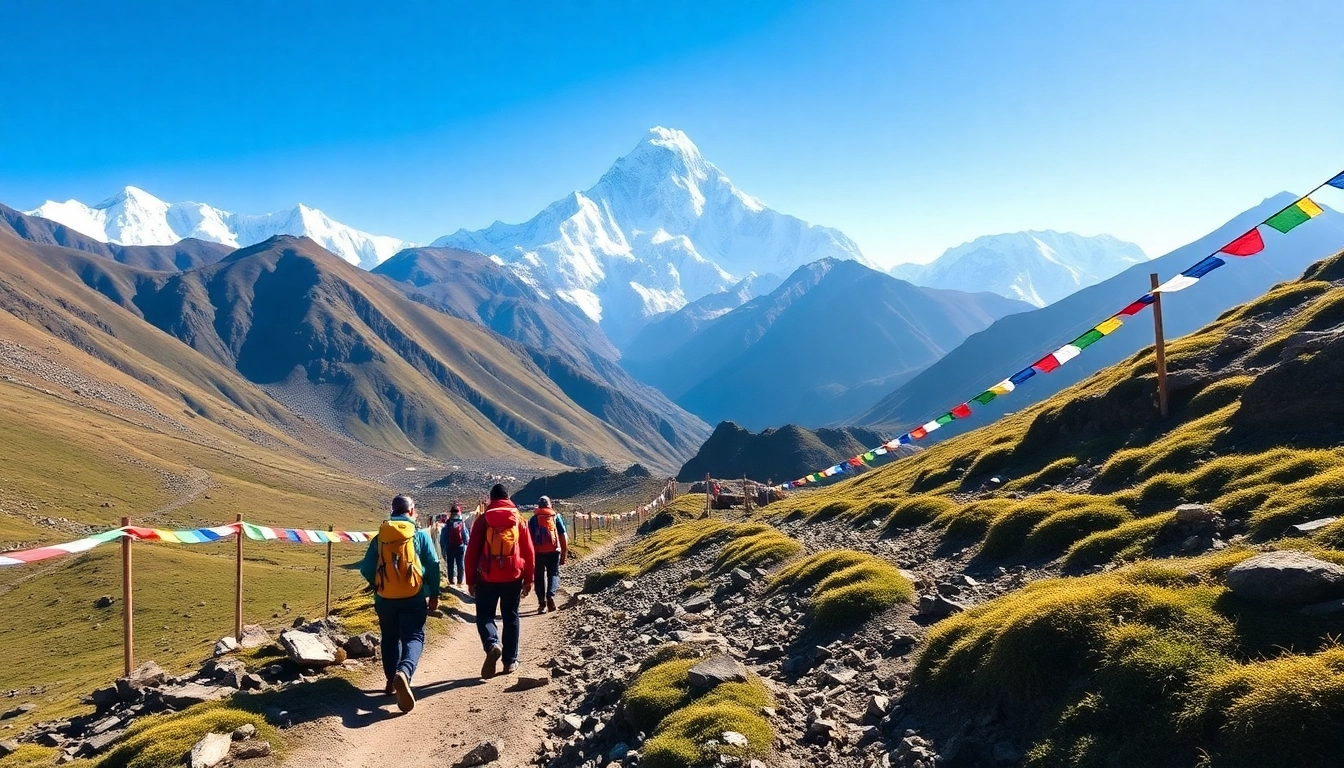
The Everest Base Camp Trek is a legendary journey that attracts adventurers from around the globe. Nestled in the heart of the Himalayas, this trek leads to the base of Mount Everest, the highest peak in the world, standing tall at an elevation of 8,848 meters (29,029 feet). The trek typically spans 14 days and takes you through breathtaking landscapes, vibrant Sherpa culture, and historical sites. As trekkers make their way through lush forests, quaint villages, and rugged mountain trails, they are treated to awe-inspiring views of some of the highest peaks on the planet, including Lhotse, Nuptse, and Ama Dablam. The trek is not only a physical challenge but also an opportunity to connect with the rich cultural heritage of the Khumbu region.
What to Expect During the Trek
During the Everest Base Camp Trek, you can expect a mix of exhilarating experiences and challenges. The journey begins with a heart-pounding flight to Lukla, where the trek officially starts. The first few days are characterized by gradual acclimatization; this is crucial to adapt to the high altitude, which can be quite challenging. Visitors will traverse through picturesque landscapes, including pine forests, rocky trails, and suspension bridges that offer breathtaking views. Along the way, you'll encounter friendly locals, traditional teahouses, and stunning vistas. Acclimatization days, especially in Namche Bazaar and Dingboche, are strategically placed in the itinerary to help mitigate the risks associated with altitude sickness. Throughout your trek, you’ll experience the warmth of Sherpa hospitality, indulge in local cuisine, and gain insights into the rich cultural tapestry of the region.
Understanding the Trekking Route
The trekking route to Everest Base Camp is well-marked and designed to allow trekkers to experience the diverse terrain. The journey starts in Lukla and follows the Dudh Koshi River, leading to Namche Bazaar, known as the gateway to the Everest region. From there, the path continues through lush valleys and steep ascents to Tengboche, home to the famous Tengboche Monastery. The trek continues to Dingboche, Lobuche, and finally reaches Everest Base Camp itself, located at an altitude of 5,364 meters (17,598 feet). The route offers not only stunning views of the mountains but also a unique opportunity to witness the effects of altitude on the landscape and yourself. Trekkers should be prepared for varying weather conditions, especially as they ascend higher into the region.
Key Highlights Along the Journey
- Namche Bazaar: A bustling market town surrounded by towering peaks, perfect for acclimatization and cultural immersion.
- Tengboche Monastery: The largest monastery in the Everest region, known for its serene ambiance and stunning views of Everest and Ama Dablam.
- Pangboche Village: Offers insights into Sherpa culture and stunning views of the surrounding mountains.
- Gorak Shep: The last stop before Everest Base Camp, where trekkers can rest and prepare for the final push.
- Kala Patthar: The highest point on the trek, providing unparalleled views of Mount Everest, especially at sunrise.
Itinerary for the 14-Day Trek
The itinerary for the Everest Base Camp Trek is structured to ensure proper acclimatization and to provide trekkers with the best overall experience. Below is a daily breakdown:
Daily Breakdown of the Trekking Days
- Day 1: Arrival at Tribhuvan International Airport in Kathmandu and transfer to your hotel.
- Day 2: Fly to Lukla (2,840 m) and trek to Phakding (2,610 m).
- Day 3: Trek to Namche Bazaar (3,440 m).
- Day 4: Acclimatization day in Namche with a hike to Hotel Everest View.
- Day 5: Trek to Tengboche (3,860 m).
- Day 6: Trek to Dingboche (4,410 m).
- Day 7: Acclimatization day with a hike to Nangkartsang Peak (5,083 m).
- Day 8: Trek to Lobuche (4,910 m).
- Day 9: Trek to Everest Base Camp (5,364 m) and back to Gorak Shep (5,190 m).
- Day 10: Hike to Kala Patthar (5,555 m) and descend to Pheriche (4,240 m).
- Day 11: Trek back to Namche Bazaar.
- Day 12: Trek to Lukla.
- Day 13: Fly back to Kathmandu or Manthali/Ramechhap.
- Day 14: Transfer to the International Airport for your final departure.
Acclimatization and Its Importance
Acclimatization is a crucial aspect of the Everest Base Camp Trek as it helps the body adjust to the decreased oxygen levels at high altitudes. The trek includes specific acclimatization days, notably in Namche Bazaar and Dingboche, where trekkers can rest and explore the surrounding areas. It’s vital to listen to your body during this period; if symptoms of altitude sickness occur, it is essential to take them seriously and descend if necessary. Making the most of acclimatization days can significantly enhance the overall experience and safety of your trek.
Essential Stops and Their Significance
Several key stops along the EBC trek not only provide rest but also cultural and historical context. Namche Bazaar serves as a central hub for acclimatization, whereas Tengboche offers a spiritual experience at the monastery. Each of these stops plays a role in understanding the local culture, gaining insights into the Sherpa way of life, and preparing for the physical challenges ahead. Taking the time to appreciate these locations can enrich the trekking experience.
Preparation for the Everest Base Camp Trek
Preparing for the Everest Base Camp Trek involves both physical training and ensuring you have the right gear. Here are some essential aspects to consider:
Essential Gear and Packing List
- Trekking Boots: Invest in high-quality, well-fitted trekking boots that provide ankle support.
- Clothing Layers: Dress in moisture-wicking base layers, insulating mid-layers, and waterproof outer layers.
- Backpack: A comfortable daypack (30-40 liters) for daily essentials and a larger duffel bag for porters to carry.
- Sleeping Bag: A sleeping bag rated for at least -15°C (5°F) for warmth during the trek.
- First Aid Kit: Include medications for altitude sickness and general first aid supplies.
- Hydration System: Carry a water bottle and consider a hydration pack for easy access to water.
Training and Physical Conditioning
Physical fitness is key to successfully completing the Everest Base Camp Trek. It is highly recommended to engage in a training program that focuses on cardiovascular strength, hiking endurance, and leg strength. Aim for at least three months of preparation, incorporating regular hikes with elevation gain, stair climbing, and aerobic exercises. Adequate training will make the trek more enjoyable and less strenuous.
Understanding Altitude Sickness and Safety Tips
Altitude sickness is a risk on the Everest Base Camp trek, and understanding its symptoms is crucial for all trekkers. Symptoms may include headaches, dizziness, nausea, and fatigue. To minimize risk, ascend gradually, stay hydrated, and don’t rush the acclimatization process. It's advisable to have a thorough understanding of your body’s signals, and if you do experience symptoms, descend immediately to a lower altitude. Keeping a positive mindset and maintaining open communication with your trekking guides can also help manage potential altitude challenges.
Cost and Inclusions for the Trek
The cost of the Everest Base Camp Trek varies based on specific itineraries, services included, and the trekking agency chosen. Below is an overview of potential costs:
Detailed Breakdown of Trek Costs
Costs for the Everest Base Camp Trek can range widely, typically averaging between $1,650 to $4,500 per person, depending on the package and service level. Factors affecting the cost include:
- Accommodation: Prices can vary based on the quality of hotels or lodges selected.
- Guides and Porters: Hiring experienced guides and porters will add to the overall price but enhances safety and support.
- Transportation: Costs for flights to Lukla and transfers from the airport can impact your budget.
- Permits: Trekking permits (TIMS, Sagarmatha Park Permit) are mandatory and included in most packages.
What’s Included in the Package
Most trekking packages cover essential services, including:
- Two nights' accommodation in Kathmandu (3-star hotel).
- Meals during the trek (breakfast, lunch, and dinner).
- Experienced English-speaking guides.
- Porter service to carry your trekking gear.
- All necessary permits for the trek.
- Domestic flights between Kathmandu and Lukla.
Possible Additional Expenses During the Trek
While many costs are covered in trekking packages, trekkers should budget for additional expenses, which may include:
- Snacks, beverages, and meals in Kathmandu.
- Hot showers and Wi-Fi access during the trek.
- Tips for guides and porters (usually 10% of total trek cost).
- Souvenirs and other personal expenses.
Traveler Insights and Testimonials
Hearing firsthand experiences from past trekkers can provide invaluable insights and tips:
Experiences from Past Trekkers
Many travelers highlight the spiritual connection felt while trekking through the Himalayas, the breathtaking views of the Everest massif, and the camaraderie developed within trekking groups. The shared experiences, such as the early morning climb to Kala Patthar to catch the sunrise, form lasting memories.
Frequently Asked Questions by Travelers
Common queries from prospective trekkers include inquiries about the best time to trek, necessary fitness levels, and recommended packing lists. Engaging with travel communities online or referring to blogs dedicated to the Everest Base Camp trek may answer many of these questions.
Expert Tips for a Successful Trek
To ensure a comfortable and successful trek, keep the following tips in mind:
- Start your preparation early, focusing on both physical and gear readiness.
- Stay flexible with your itinerary in case of weather-related flight changes.
- Embrace the culture and engage with the Sherpa community along the trail.
- Keep a positive mindset and be prepared for both physical and mental challenges.