Understanding Leak Detection Technologies
In the realm of home maintenance, the significance of effective leak detection cannot be overstated. As homeowners, understanding the technologies that facilitate the early identification of leaks is crucial in preventing significant damage and costly repairs. With advancements in technology, leak detection has evolved from rudimentary methods to sophisticated systems that can quickly and accurately identify issues without invasive procedures.
1. Overview of Advanced Leak Detection Methods
Modern leak detection techniques utilize a variety of advanced technologies designed to locate leaks with minimal disruption. Some of the most effective methods include:
- Pressure Testing: This method involves monitoring pressure changes in isolated sections of pipework to pinpoint leak locations.
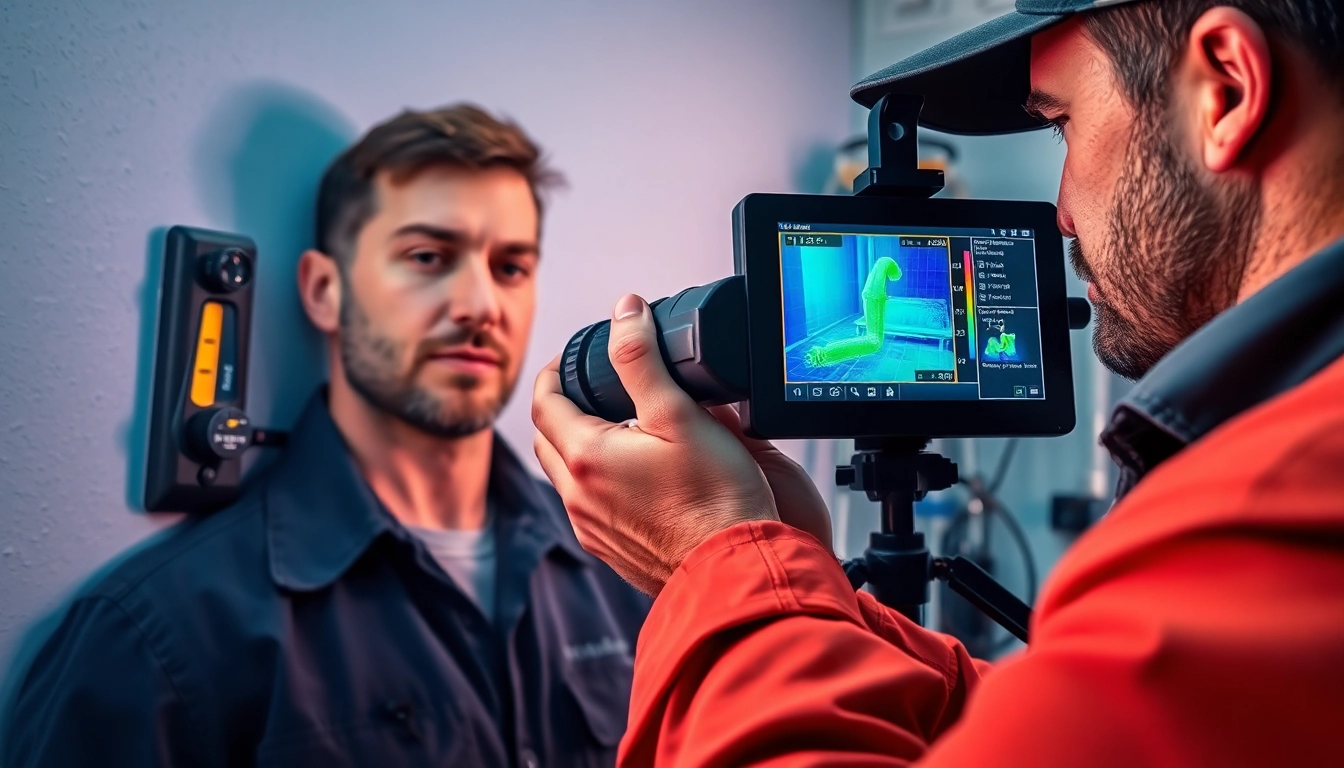
- Thermal Imaging Cameras: These cameras detect temperature discrepancies caused by leaks within walls, floors, and ceilings, allowing for precise identification of the source.
- Acoustic Listening Devices: Capable of identifying the sounds of escaping water or gas, even when buried underground or hidden behind walls, these devices enhance the efficiency of leak detection.
- Tracer Gas Detection: By introducing a safe, odorless gas into the pipework, technicians can trace it to the point of escape. This method is particularly effective for small or hard-to-reach leaks.
- Moisture Mapping and Infrared Scanning: These techniques are employed to assess water damage and identify areas of potential concern, providing comprehensive insights into the state of plumbing systems.
2. Importance of Non-Invasive Techniques
Non-invasive leak detection methods are crucial for maintaining the integrity of homes, minimizing the need for destructive investigations. Traditional methods often involved tearing down walls or floors to locate leaks, leading to significant repair costs and inconvenience. In contrast, modern techniques allow professionals to assess and identify issues without causing unnecessary damage, preserving the aesthetics and functionality of living spaces.
3. Comparing Traditional vs. Modern Approaches
While traditional leak detection methods relied heavily on manual checks and visible signs of leaks, such as damp patches or water stains, modern approaches embrace technology for enhanced accuracy. Traditional methods can be time-consuming and often lead to misdiagnosis due to the limitations of human observation. In contrast, advanced technologies provide precise results, reducing the time and cost associated with leak detection.
The Impact of Leaks on Home Safety
Leaks represent more than just a nuisance; they pose significant risks to home safety and can lead to severe structural damage over time. Understanding how leaks can affect your home is essential for safeguarding your property and ensuring long-term safety.
1. Common Types of Leaks in Domestic Properties
Homeowners may encounter several types of leaks, including:
- Hidden Water Leaks: Often found in walls, ceilings, or under floors, these leaks can lead to mold growth and structural damage.
- Heating System Leaks: Leaks in the radiator or underfloor heating systems can go unnoticed, leading to heating inefficiencies and increased energy bills.
- Gas Leaks: Highly dangerous, gas leaks require immediate professional intervention to prevent severe accidents.
2. Consequences of Undetected Leaks
Neglecting to address leaks can result in serious consequences, including:
- Structural Damage: Continuous exposure to water can weaken foundations, walls, and ceilings, leading to costly repairs.
- Mold Growth: Damp environments foster mold, which can harm both health and property.
- Increased Utility Bills: Undetected leaks contribute to rising water and heating costs, affecting monthly budgets.
3. Signs That Indicate a Potential Leak
Being vigilant for signs of leaks can save homeowners from extensive damage. Common indicators include:
- Unexplained increases in water bills
- Damp patches on walls or ceilings
- Musty odors associated with mold growth
- Sound of running water when no faucets are in use
Choosing the Right Leak Detection Service
Selecting a reliable leak detection service is vital for ensuring your home is properly assessed and remedied. Here are key factors to consider when choosing a service provider.
1. Assessing Technicians’ Qualifications and Experience
When hiring a leak detection service, verify the qualifications and experience of the technicians. Certified professionals should possess expertise in advanced detection technologies and practical knowledge of plumbing systems. Look for certifications and training specific to leak detection methods to ensure quality service.
2. Understanding ‘No Find, No Fee’ Guarantees
Many reputable leak detection companies offer a ‘No Find, No Fee’ guarantee, meaning you only pay if they successfully locate a leak. This policy reflects confidence in their methods and provides assurance to homeowners seeking cost-effective solutions.
3. Evaluating Customer Reviews and Testimonials
Researching customer feedback on service quality is essential. Positive reviews signify reliability and effectiveness, while consistent negative feedback may highlight potential issues. Utilize online platforms to gauge reputation and service standards before making a decision.
Best Practices in Leak Detection
Implementing best practices in leak detection can enhance your home’s protection against leaks and mitigate potential risks.
1. Regular Maintenance and Inspection Schedules
Establishing a routine maintenance plan ensures optimal performance of plumbing systems. Regular inspections by professionals can identify potential vulnerabilities before they escalate into significant problems, promoting long-term reliability.
2. Utilizing Technology for Early Detection
Investing in modern leak detection devices allows homeowners to monitor their plumbing systems proactively. Smart leak detectors can provide real-time alerts, enabling quick responses to emerging issues and preventing extensive damage.
3. Emergency Response Strategies for Leak Situations
In the event of a suspected leak, having an emergency response plan can minimize damage. Educate household members on the steps to take, including shutting off the water supply and contacting a leak detection service promptly.
Future Trends in Leak Detection: Looking Ahead to 2025
The leak detection industry is constantly evolving, with technological advancements shaping the future of how leaks are identified and managed. Here’s what to expect as we look ahead.
1. Innovations in Leak Detection Technologies
As technology progresses, the introduction of artificial intelligence (AI) and machine learning is set to revolutionize leak detection. These technologies can analyze patterns and predict potential leak occurrences based on historical data, allowing for preventative maintenance measures.
2. The Role of Smart Home Devices in Leak Prevention
Smart home devices will increasingly play a role in leak prevention. Integrated systems can automatically detect leaks and shut off water supplies, providing homeowners with peace of mind and reducing the likelihood of severe damage.
3. Predictions for the Leak Detection Industry
As awareness of the importance of leak detection grows, so too will the demand for specialized services. Companies will need to adapt to changing consumer needs, focusing on sustainable practices and innovative technologies to remain competitive in the industry.