
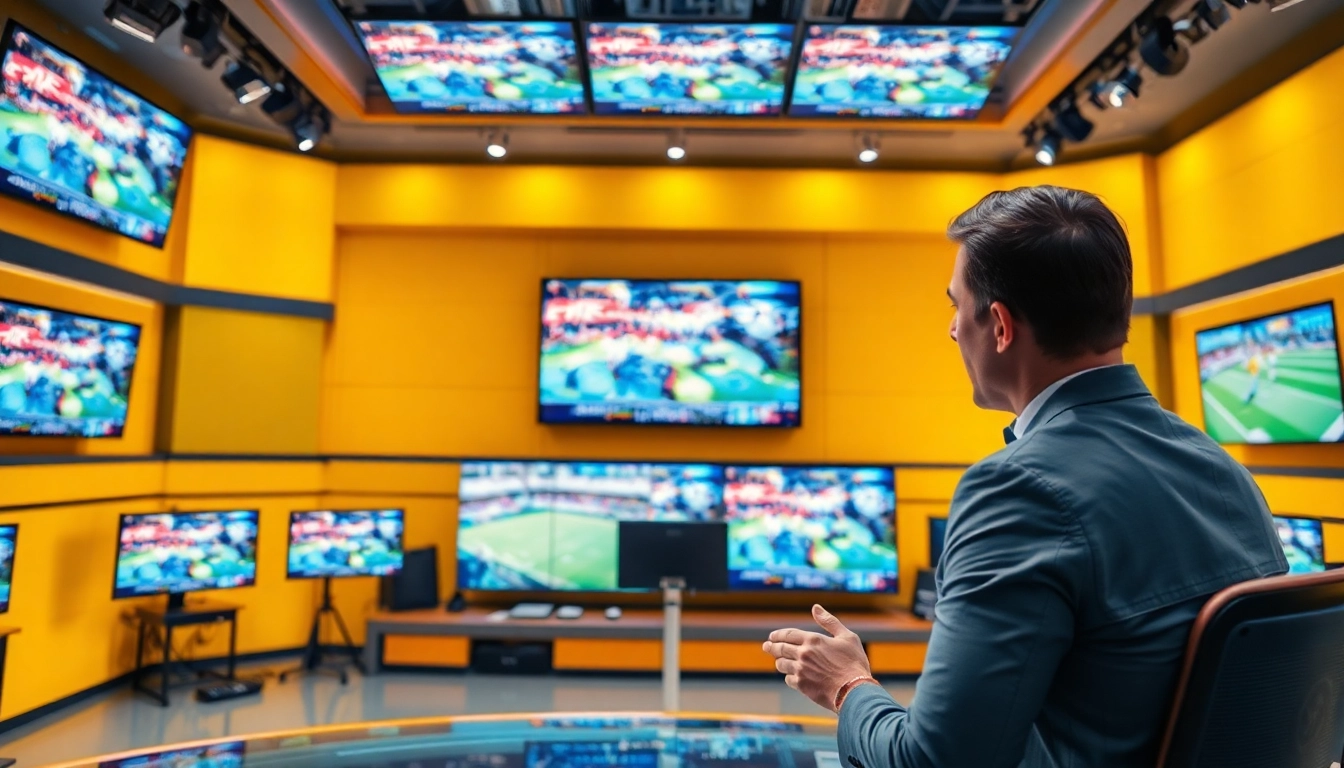
Understanding Sports Broadcasting
Sports broadcasting plays a crucial role in the sports industry, providing fans with access to live events, commentary, highlights, and inside stories. With the evolution of technology, the field of Sports Broadcasting has transformed dramatically over the years, making it an industry worth exploring in-depth. This article aims to delve into the various facets of sports broadcasting, including its history, the key roles involved, technological innovations, challenges faced, best practices, performance metrics, and the future of broadcasting sports.
History and Evolution of Sports Broadcasting
The origins of sports broadcasting can be traced back to the early 1920s when radio broadcasts began transmitting live sports events. The first significant sports broadcast occurred on the radio in 1921, featuring a boxing match between Jack Dempsey and Georges Carpentier. This event laid the groundwork for what would become a substantial industry.
Television broadcasting introduced a new era in the 1930s, allowing audiences to watch their favorite sports teams in their living rooms. Major milestones followed, including the first televised baseball game in 1939 and the introduction of color broadcasts in the 1960s. Each innovation in broadcast technology has enabled deeper audience engagement and accessibility, continually expanding the reach of sports programming.
Key Roles in Sports Broadcasting
The production of a sports broadcast involves a diverse team of professionals. Key roles include:
- Producers: Responsible for the overall planning and execution of the broadcast.
- Commentators: Provide real-time analysis and insights during live events, enhancing viewer engagement.
- Technical Crew: Manage camera operations, sound, and technology to ensure a seamless broadcast experience.
- Graphic Designers: Create on-screen information such as scores, statistics, and branding to support viewer understanding.
- Marketing Specialists: Promote broadcasts and engage audiences through various platforms.
Together, these roles collaborate to deliver a polished and engaging sports viewing experience.
Technological Innovations in Sports Broadcasting
Advancements in technology have significantly impacted sports broadcasting. Key innovations include:
- HD and 4K Broadcasting: High-definition broadcasts have become the norm, improving picture quality and viewer experience. 4K technology offers even greater clarity, enhancing the detail of every moment.
- Virtual and Augmented Reality: These technologies enable fans to experience games in immersive ways, providing new angles and interactive features.
- Streaming Services: Platforms like Netflix and dedicated sports streaming services have changed how viewers access sports content. Cord-cutting has led to a rise in online streaming, granting more flexibility and options for viewers.
- Data Analytics: Real-time analytics enhance broadcasts by providing instant statistics and insights, making the viewing experience more enriching.
As technology continues to evolve, sports broadcasting will keep reinventing itself, catering to growing audience expectations.
Challenges in Sports Broadcasting
Navigating Regulatory Compliance
Sports broadcasters must adhere to various regulations, including copyright rights, licensing, and broadcasting rights agreements. These laws vary by jurisdiction and can affect programming and distribution strategies. Failure to comply can lead to hefty fines and restrictions on broadcasting capabilities.
Adapting to Changing Viewer Preferences
Viewers’ preferences constantly evolve, particularly with younger audiences gravitating towards on-demand content over traditional broadcasts. Sports broadcasters must innovate their content delivery methods and create engaging formats that resonate with this demographic. Failure to adapt can result in declining viewership and relevance.
Handling Technical Difficulties
Technical glitches during live broadcasts can significantly distract from the viewer experience. Broadcasters must have robust backup systems and contingency plans to address issues like equipment failure or internet outages promptly. Their ability to deal with technical challenges directly impacts audience satisfaction.
Best Practices for Effective Sports Broadcasting
Creating Engaging Content
Engagement is critical in sports broadcasting. Broadcasters should deliver content that not only informs but also entertains. Utilizing storytelling techniques, interviews with players, behind-the-scenes coverage, and highlights can keep viewers hooked. Tailoring content to regional preferences can also enhance audience engagement.
Utilizing Social Media for Promotion
Social media platforms are invaluable for promoting sports broadcasts. Engaging with fans through platforms like Twitter, Facebook, and Instagram can foster community and excitement around upcoming events. Live polls, Q&A sessions, and behind-the-scenes content can leverage social media engagement to boost viewership.
Enhancing Viewer Interaction
Interactive features such as fan voting for player of the match, live chats during broadcasts, and social media hashtags can promote audience participation. Encouraging viewers to share their thoughts and experiences helps create a dynamic and inclusive viewing environment, enhancing overall engagement.
Performance Metrics in Sports Broadcasting
Key Performance Indicators
Understanding performance metrics is vital for broadcasters to evaluate their effectiveness. Key metrics include:
- Viewership Ratings: Tracking how many people tuned in during broadcasts provides insight into popularity and reach.
- Demographic Analysis: Knowing the demographic details of the audience helps refine content to appeal to target groups.
- Engagement Rate: Metrics like social media interactions and viewer participation in polls indicate how well content resonates with the audience.
Analyzing Audience Engagement
In-depth analysis of audience engagement is essential for continuous improvement. Technologies like viewer tracking and analytics tools allow broadcasters to gauge viewer behavior and preferences. This information can guide content creation, marketing strategies, and promotional efforts.
Evaluating Reach and Impact
Evaluating the reach of broadcasts involves analyzing geographic data and audience distribution. Understanding where viewership is concentrated allows for tailored marketing and potential expansion strategies. Impact evaluation considers both short-term viewership during events and long-term audience loyalty.
The Future of Sports Broadcasting
Emerging Technologies and Trends
The future of sports broadcasting is intertwined with advancements in technology. Innovations such as 5G networks will facilitate higher-quality streaming, and artificial intelligence will personalize viewing experiences. Broadcasters will continue exploring virtual reality and interactive formats, presenting sports in unprecedented ways.
Sustainability in Sports Broadcasting
With a rising focus on sustainability, sports broadcasters are embracing eco-friendly practices. This includes reducing energy use during productions, minimizing waste, and highlighting sustainability initiatives within sports. Broadcasters can improve their brand reputation and connect with environmentally-conscious audiences through these practices.
Global Expansion Opportunities
Globalization presents significant expansion opportunities for sports broadcasting. Audiences worldwide seek access to diverse sports content, particularly in emerging markets. By catering to international rights and collaborating with local broadcasters, the sports broadcasting industry can unlock new revenue streams and audience engagement avenues.
Frequently Asked Questions about Sports Broadcasting
What is sports broadcasting?
Sports broadcasting involves the live transmission of sports events via television, radio, or online platforms, providing coverage, commentary, and analysis to fans.
How has technology impacted sports broadcasting?
Technology has greatly enhanced sports broadcasting by introducing HD and 4K viewing, streaming services, and real-time data analytics, enriching the overall viewer experience.
What are the key roles in sports broadcasting?
Key roles include producers, commentators, technical crew, graphic designers, and marketing specialists, who work together to deliver engaging broadcasts.
What challenges do sports broadcasters face?
Challenges include navigating regulatory compliance, adapting to changing viewer preferences, and addressing technical difficulties during live broadcasts.
How can sports broadcasters engage viewers?
Broadcasters can engage viewers by creating compelling content, utilizing social media marketing, and enhancing interactions through viewer participation features.


